Santiago de Compostela Bus
The Santiago de Compostela bus picture is simple once you know the pieces: one airport line, a compact walkable old town, and a fleet of day-trip coaches that leave from near the center for the coast and the wine country.
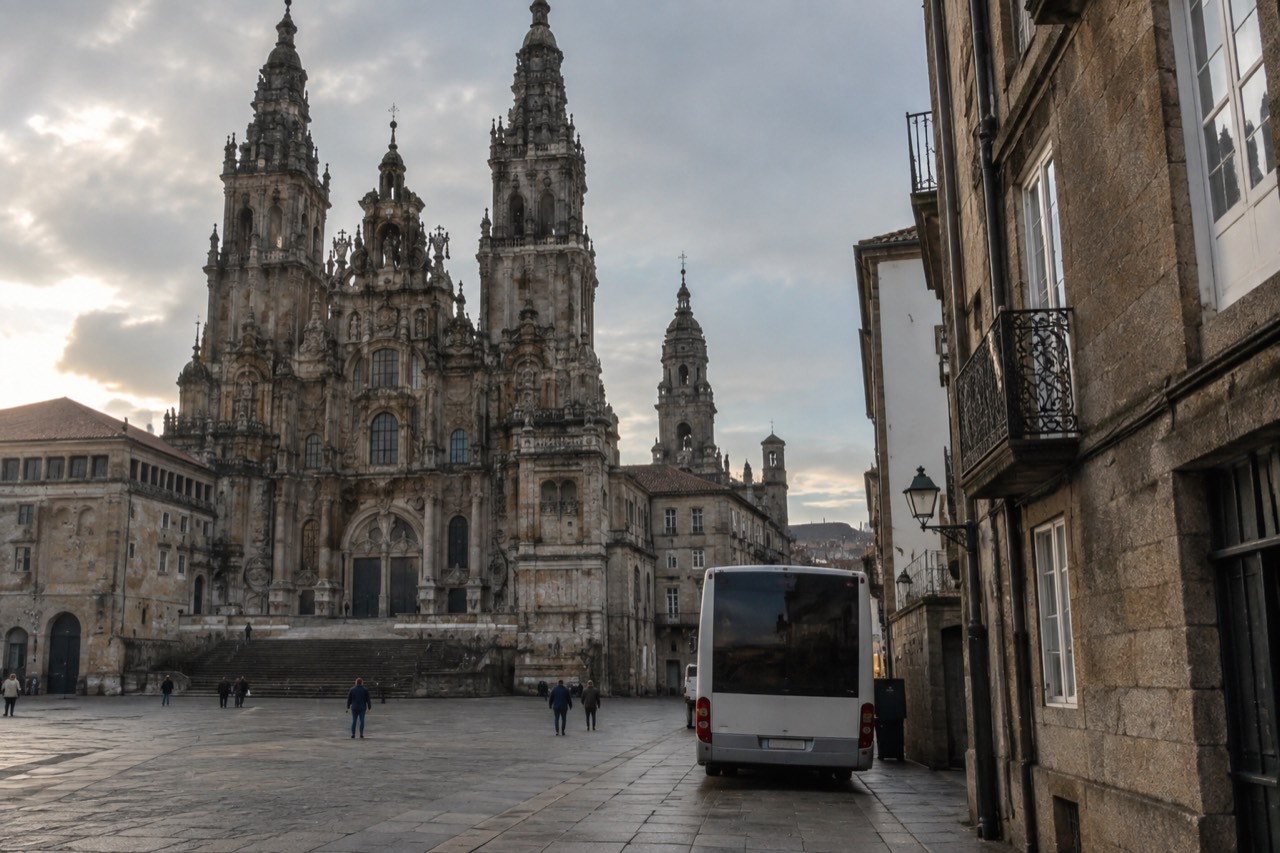
Short answer
Line 6A, run by Tussa, connects Santiago de Compostela Airport to the city center for a 1 EUR fare paid to the driver, or 0.36 EUR on a rechargeable card, with a higher-fare Monbus service expected in late 2026. The old town itself needs no bus at all, and most longer journeys are handled by day-trip coach tours or the train station.
Santiago de Compostela, the pilgrim cathedral city in Galicia, northwest Spain, is one of the few European destinations where the bus question has a clean, verifiable answer. The city's own transport page, santiago.es, lists the airport line, its fare and its operator, and the rest of the network is small enough to explain in one sitting. What trips most visitors up is not the city buses but the edges of the system: the airport fare that is about to change hands, the day trips that only make sense by coach, and the fact that the historic core is so compact that walking beats every wheel. This guide, from the editors at Santiago de Compostela Travel Guide, covers all of it with verified figures.
How Do You Get From Santiago de Compostela Airport To The City By Bus?
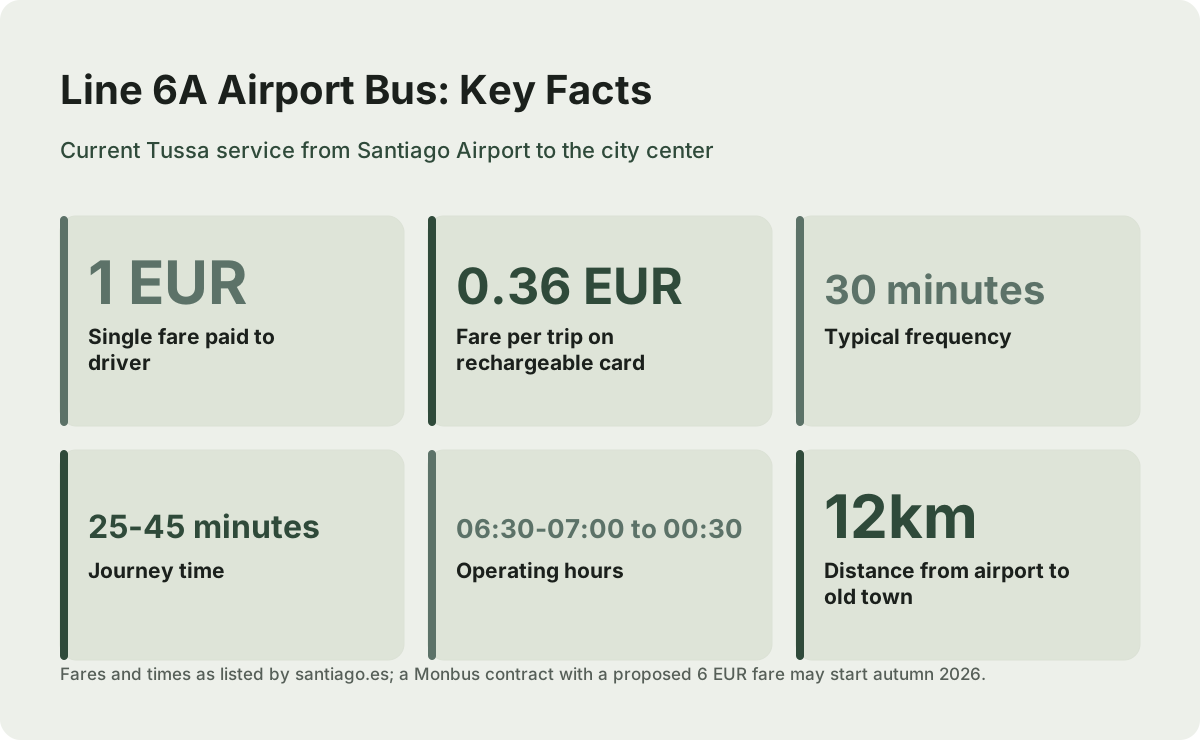
The airport bus is line 6A, operated by Tussa, and it runs from Santiago de Compostela Airport to the city center and the Estación Intermodal on Rúa do Hórreo for a single fare of 1 EUR paid to the driver, or 0.36 EUR per trip on a rechargeable card. Buses run roughly every 30 minutes from around 06:30-07:00 until about 00:30, and the journey takes about 25 to 45 minutes depending on traffic and exact stops.
That fare is the one to double-check before you travel. As of late September 2026, santiago.es's transport page still lists Tussa as the operator of line 6A with the 1 EUR driver fare, but a new contract was awarded to Monbus in mid-2026, and the reorganized service is expected to start in autumn 2026, possibly by December, with a proposed unsubsidized fare of roughly 6 EUR one-way. The airport sits about 12km from the old town, a drive of roughly 20 to 30 minutes, so the bus remains the cheap option even at the higher fare, but anyone reading an older guide that prints 1 EUR as a permanent fact should treat it as subject to change. For full flight and airport details, see the companion page on Santiago de Compostela Airport.
Tickets are bought on board, cash or contactless, and concessions apply for children. Beyond the bus, the alternatives are taxis and pre-booked private transfers, both of which cost significantly more; prices for transfer products vary by date and demand, so check the live price on the operator's own listing rather than trusting a printed number.
| Line 6A Airport Bus Fact | Current Detail |
|---|---|
| Operator | Tussa (Transporte Urbano de Santiago) |
| Single fare, paid to driver | 1 EUR |
| Rechargeable card fare | 0.36 EUR per trip |
| Typical frequency | Roughly every 30 minutes |
| Operating hours | About 06:30-07:00 to around 00:30 |
| Journey time | About 25-45 minutes depending on traffic |
| City terminus | Estación Intermodal, Rúa do Hórreo |
| Distance covered | About 12km from airport to old town |
| Coming change | Monbus contract, higher fare expected autumn 2026 |
One detail worth flagging: santiago.es itself advises verifying the line number after December 2026, because the Monbus reorganization may renumber or reroute the airport service. Anyone landing after that date should check the transport page again rather than assuming 6A is still the right line.
Do You Even Need A Bus Inside Santiago de Compostela?
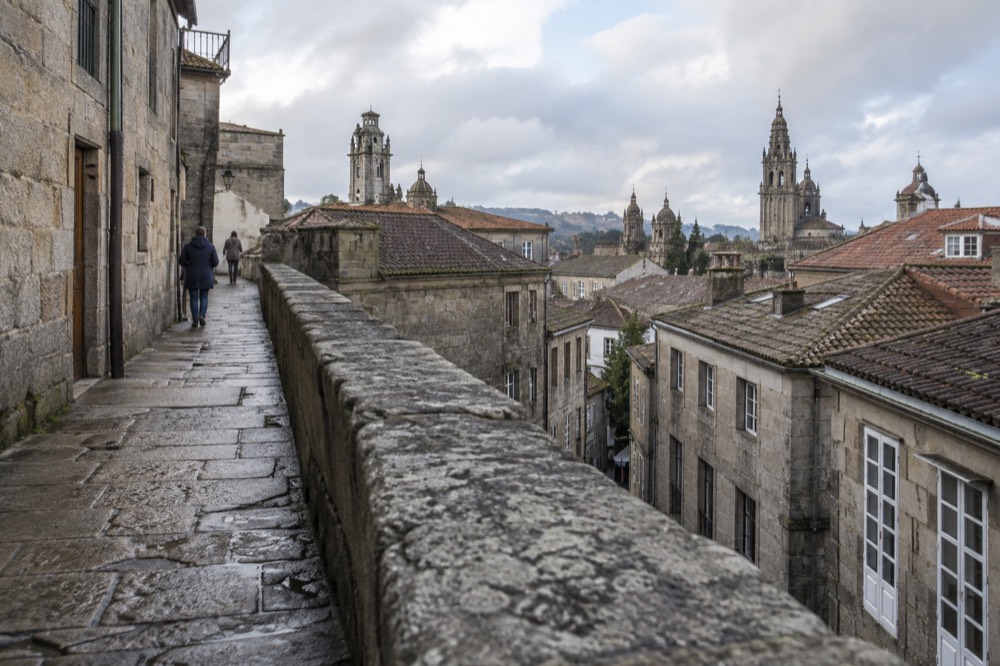
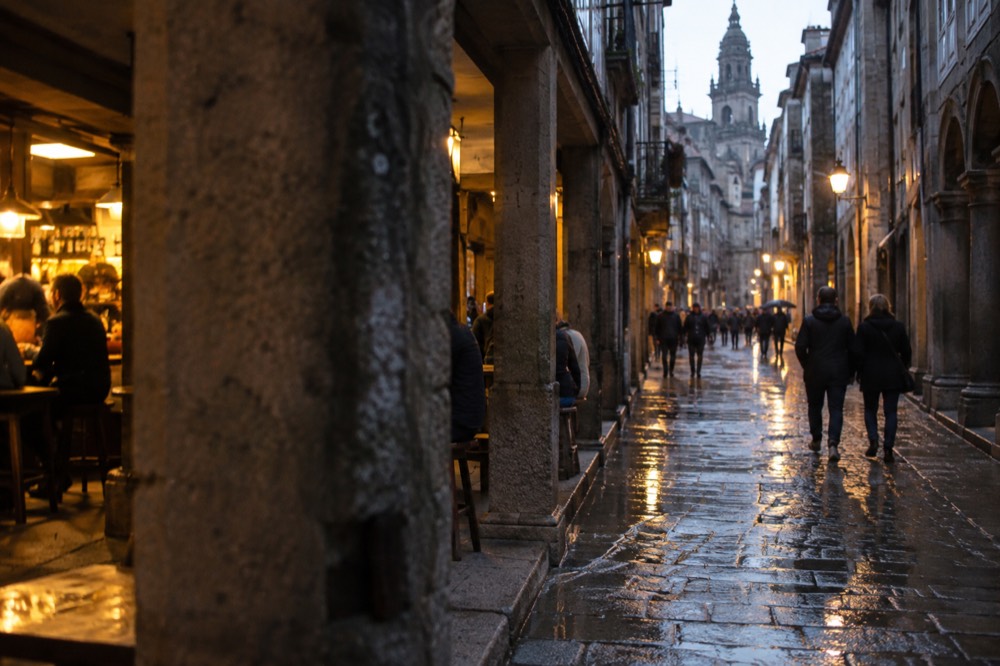
Most visitors never board a city bus inside Santiago de Compostela, because the old town, the cathedral, the Praza do Obradoiro, the market and the Alameda park all sit within an easy walk of each other, and the whole historic core has been UNESCO-listed since 1985 precisely because it is a dense, pedestrian-scaled place. The bus you are most likely to use is the airport line, and the second most likely is a coach day trip, not an urban route.
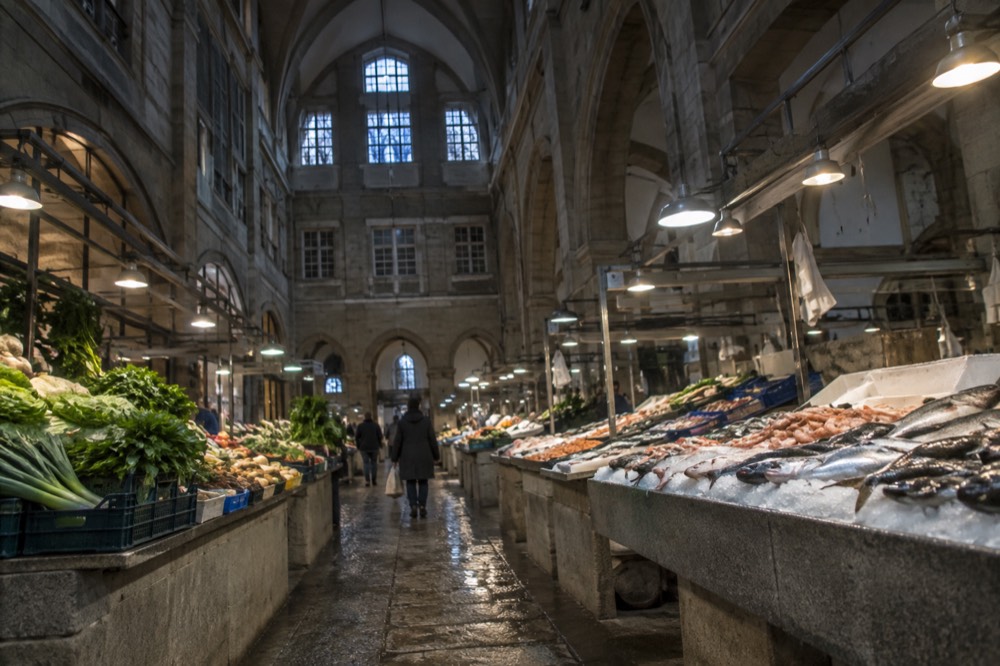
The old town's granite streets are steep in places and cobbled throughout, which is part of why walking is the practical choice: buses that do enter the center contend with lanes barely wide enough for them, and the majority of visitor life happens on streets closed to through traffic anyway. If the weather turns, and in Galicia it does, the rainy day options in Santiago de Compostela are mostly indoors and mostly walkable, from the cathedral museum to the covered market. The one honest caveat is that the city is hilly, so anyone with mobility concerns should plan routes around the gentler lanes rather than the scenic staircases.
This is also why the best "transport" inside the city is a guide on foot. The hidden corners of the old town, the lanes pilgrims have used for centuries and the viewpoints over the cathedral towers, only open up when someone walks you through them. The Hidden City Walking Tour, from $17 per person and rated 5 from 13 reviews on its listing, is the tour this site recommends for exactly that job, and it costs less than most taxi rides across town.
What Bus Day Trips Leave From Santiago de Compostela?
The busiest buses leaving Santiago de Compostela are not city buses at all but day-trip coaches heading west toward Finisterre, Muxía and the Costa da Morte, and south into the Rias Baixas wine country, with verified departures from $45 to $101 per person for a full day of transport, guide and stops included. These tours solve the one transport problem the city cannot: the coast of Galicia has thin public bus coverage and the sites are scattered across tens of kilometers of shoreline.
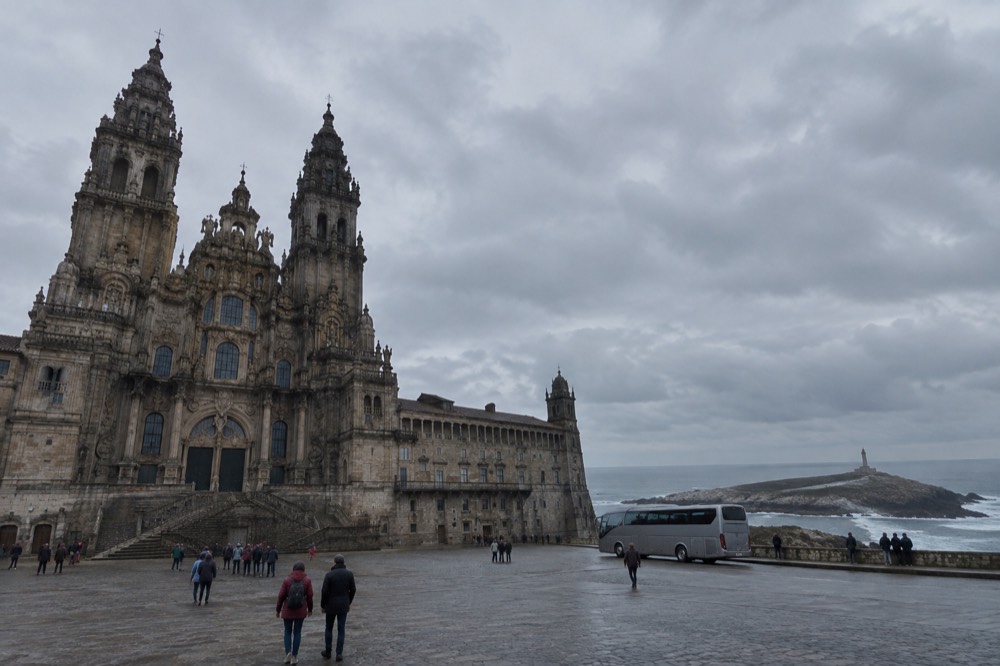
The Costa da Morte, the "coast of death" that shipwrecks named, is the classic coach day out. The full Costa da Morte circuit takes in Cabo Vilán's lighthouse, Muxía's sanctuary and the lighthouse at Fisterra, the headland the Romans called the end of the world. Public buses along that coast are slow and sparse, so a guided coach is not a luxury here, it is the only realistic way to see more than one cape in a day.
Here is how the main west-coast options compare, using the operator-listed prices and ratings from the tour roster:
| West Coast Day Trip From Santiago de Compostela | From Price | Rating | Reviews | Duration |
|---|---|---|---|---|
| Finisterre, Muxía & Costa da Morte, Cabo Vilán stop | $60 | 4.8 | 267 | Full day |
| Finisterre + Muxía + Costa da Morte, 7 stops | $60 | 4.8 | 1,714 | Full day |
| Finisterre and Costa da Morte complete tour | $60 | 4.8 | 860 | Full day |
| Tour to Finisterre, Muxía & Costa da Morte | $59 | 4.7 | 2,312 | Full day |
| Finisterre, Costa da Morte, Ézaro, Muros & Carnota | $60 | 4.6 | 229 | Full day |
| Fisterra-Muxía Express | $45 | 4.4 | 50 | Half day, express |
| Express Muxía & Cape Finisterre | $45 | 4.1 | 9 | Express |
| Visit to the Cíes Islands | $101 | No rating published | Full day |
The express options matter for travelers on a tight schedule: a half-day coach gets you to Fisterra and back in time for an evening in the old town, while the full-day versions add Muxía, Cabo Vilán or the Ézaro and Muros stops. For anyone weighing whether the end-of-the-world walk is worth it, the Camino Finisterre extension is covered separately.
The second big coach corridor runs south into the Rias Baixas, Galicia's fjord-like inlets, where the trips combine a winery visit in the Albariño country around Cambados with an optional mussel-boat cruise. Again, the public transport along those inlets is not built for visitors, so the coach tours carry most of the traffic.
| Rias Baixas Day Trip From Santiago de Compostela | From Price | Rating | Reviews | Duration |
|---|---|---|---|---|
| Rías Baixas, Arousa Island, Combarro and mussel boat | $45 | 4.7 | 30 | Full day |
| Rias Baixas with winery, optional mussel boat | $54 | 4.8 | 322 | Full day |
| Rias Baixas with boat trip and winery | $53 | 4.7 | 482 | Full day |
If your time in the city is short, the guide to one day in Santiago de Compostela sketches how a morning in the old town and an afternoon or full-day coach trip can be combined without rushing either.
Want To See The Coast Without Studying A Timetable?
What Trains Run From Santiago de Compostela To Madrid, A Coruna And Vigo?
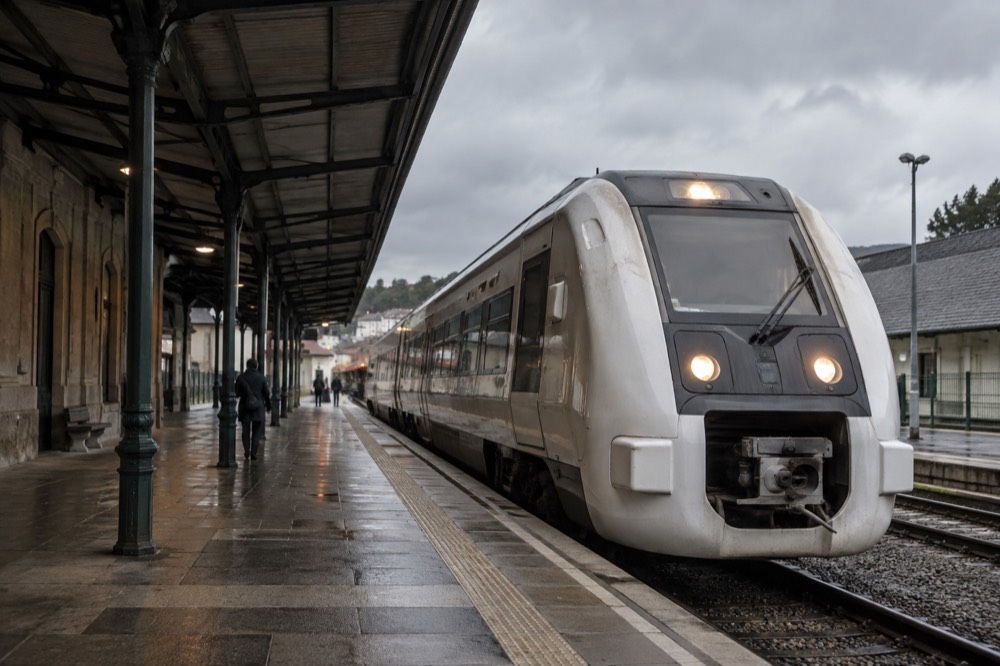
Santiago de Compostela's train station offers direct high-speed services to Madrid taking roughly 3 to 4 hours, a short direct hop to A Coruna, and direct regional services to Vigo in roughly 1 hour, while there is no direct rail line to Porto in Portugal: travelers heading south change trains, typically traveling via Vigo for the cross-border connection. For journeys between Galicia's big cities, the train usually beats the bus for speed; the coach wins mainly on the coastal and rural routes the rail network never reached.
The high-speed link to Madrid, covered in detail on the Madrid to Santiago de Compostela train page, is the one long-distance rail journey most visitors take. Direct AVE and Avlo services cover it in roughly 3 to 4 hours, a range rather than a fixed minute count because timetables and stopping patterns vary. Within Galicia, A Coruna is a short direct hop and Vigo is roughly an hour, which makes both realistic even as half-day excursions if you would rather not take a coach. Anyone planning onward travel to Portugal should read the Porto to Santiago de Compostela guide, since the transfer at Vigo is the part that surprises people.
| Rail Route From Santiago de Compostela | Service Type | Typical Journey Time | Direct? |
|---|---|---|---|
| To Madrid | Direct AVE/Avlo high-speed | Roughly 3-4 hours | Yes |
| To A Coruna | Regional/high-speed | A short hop | Yes |
| To Vigo | Media Distancia/regional | Roughly 1 hour | Yes |
| To Porto, Portugal | Cross-border regional | Requires change | No, change via Vigo |
Exact minute-by-minute journey times should always be checked against the operator's own timetable search for your travel date, because these are ranges verified at the route level, not published schedule figures.
How Do Pilgrims Use Transport Around Santiago de Compostela?
Pilgrims arriving in Santiago de Compostela mostly walk in, but the transport that matters to them is the airport bus back out, the train home to Madrid or Vigo, and the city's walkable scale on the final day, when the last 100km of walking (or the last 200km cycled) must be continuous and documented with at least two stamps per day before the Pilgrim's Office at Rua das Carretas 33 will issue the Compostela certificate in person. The rules are strict about the walking; they are silent about everything after, so buses, trains and taxis are all fair game once the certificate is in hand.
The Camino de Santiago ends here, but for many pilgrims the logistics of getting home start here too. The Estación Intermodal, where the airport bus terminates, is the same complex that handles long-distance coaches, which matters because some pilgrim routes and regional connections run on buses rather than trains. If you are planning the walking itself, the Camino de Santiago routes and Camino de Santiago map pages cover the way in; this page covers the way out. Returning pilgrims who flew into another city often take the train to Madrid or the cross-border route toward Porto and Lisbon.
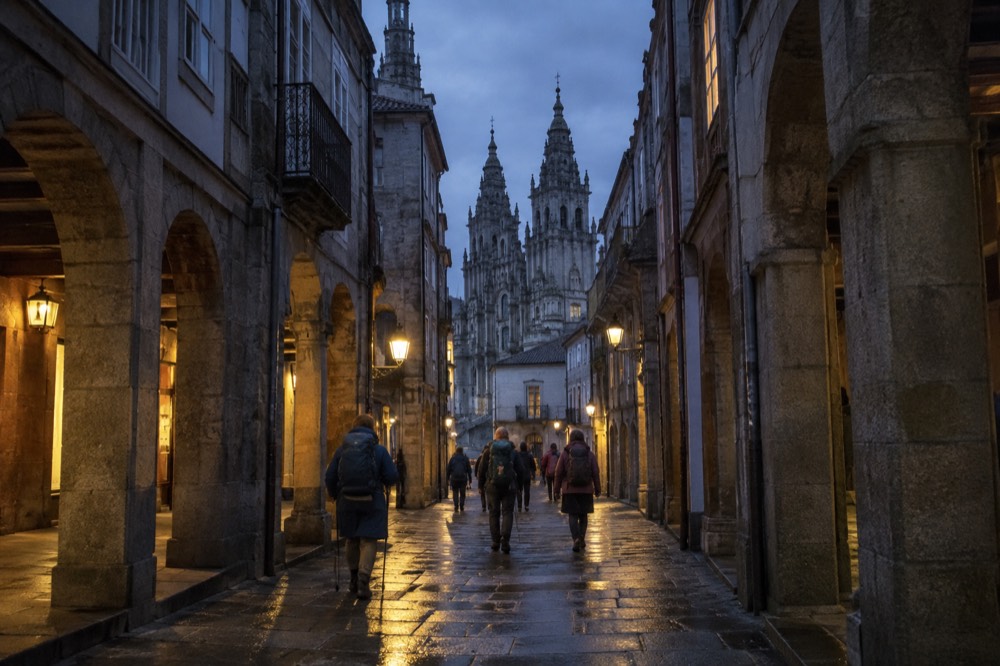
One planning note for anyone walking in from Sarria, the most popular starting point: the Sarria to Santiago stretch is the classic final-week walk, and the arriving in Santiago on the Camino guide explains what the arrival day itself looks like, from the pilgrim office queue to the mass. If you arrive before mid-October 2026, the pilgrim masses at the Cathedral's High Altar run at 7:30am, 9:30am, noon and 7:30pm. From 16 October 2026, the 9:30am, noon and 7:30pm masses relocate to the nearby Church of San Agustin while main-chapel works prepare the 2027 Holy Year, and only the 7:30am mass stays in the Cathedral's own Communion chapel. The pilgrim mass guide keeps both arrangements side by side, dated.
A record 530,987 Compostelas were issued in 2025, so the arrival-day crowds are real, and the walkable core absorbs them better than any bus network could.
How Much Does Getting Around Santiago de Compostela Cost?
Getting around Santiago de Compostela is inexpensive by design: the airport bus costs 1 EUR to the driver, the old town costs nothing to walk, cathedral entry is free, the Cathedral Museum runs roughly 9 to 23 EUR depending on ticket type, and a municipal tourist tax has applied to accommodation since 1 October 2025, from 1 EUR to 2.50 EUR per person per night for up to 5 nights, with under-18s and Xunta-run public albergues exempt. The only significant transport spend for most visitors is a day-trip coach, at 45 to 101 USD per person for the verified options on this site's roster.**
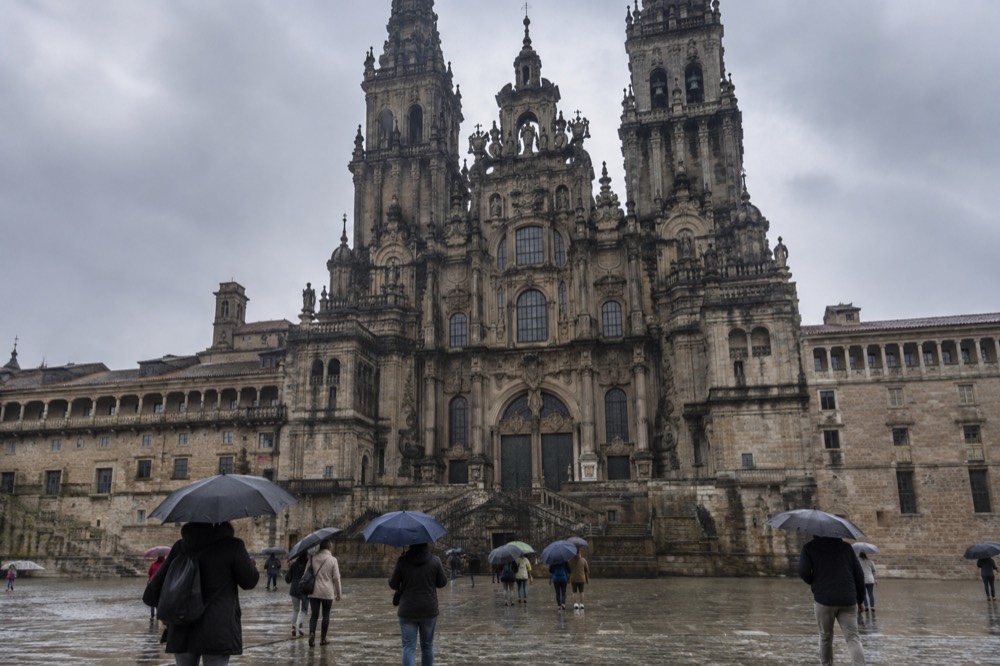
The free bits deserve emphasis because they are unusual for a major European destination. The cathedral basilica itself, naves, high altar and crypt, is free to enter, generally from about 7:00am to 9:00pm. The paid layers are the museum, the rooftop tour at 15 EUR general or 12 EUR reduced, which climbs about 140 steps to roughly 72m above the city, and the guided options that bundle tickets. Ticket types and hours are detailed on the cathedral tickets and opening hours page, and the rooftop climb is covered on the cathedral rooftops tour guide.
| Cost Item In Santiago de Compostela | Verified Price |
|---|---|
| Airport bus, single fare to driver (line 6A, Tussa) | 1 EUR |
| Airport bus, rechargeable card fare | 0.36 EUR per trip |
| Cathedral basilica entry | Free |
| Cathedral Museum, by ticket type | Roughly 9-23 EUR |
| Cathedral rooftop tour (Cubiertas + Torre de la Carraca) | 15 EUR general, 12 EUR reduced |
| Tourist tax on accommodation | Santiago de Compostela has charged a municipal tourist tax since 1 October 2025, from 1 EUR to 2.50 EUR per person per night for up to 5 nights |
| Old Town walking | Free |
| Guided old-town walks (verified tours) | From $12-$17 |
| Day-trip coaches (verified tours) | From $45-$101 |
For context on the rooftop and museum bundle: the 15 EUR ticket includes free access to the museum's permanent collection, the Gelmirez Palace, the Crypt of the Portico de la Gloria and the Diocesan Museum, valid for 7 days with one use per space, per the cathedral's own ticket page. That makes it one of the better-value paid experiences in the city, and it is bookable online with timed slots, which matters in July and August when slots can sell out.
Budget travelers have a dedicated guide at Santiago de Compostela on a budget, and the accommodation side, from albergues to the Parador, is covered at where to stay in Santiago de Compostela.
When Is The Best Time Of Year To Rely On Buses Around Santiago de Compostela?
The best months for bus-and-coach travel around Santiago de Compostela are July and August, the driest period in a city whose AEMET station data shows a temperate oceanic climate with annual precipitation on the order of 1,690 to 1,890mm, wet year-round and wetter from October to March. In the wet season, a coach with a roof and a guide beats a self-drive along the Costa da Morte, and the covered old town beats an open boat.
Galicia's weather is the real transport planner. The best time to visit Santiago de Compostela guide covers the trade-offs in full, including the 25 July Feast of St. James, when the city fills for the national offering to the Apostle, fireworks and concerts, and public transport in the center tightens for the crowds. Anyone visiting in the shoulder months should pack for rain rather than hope, and plan at least one indoor anchor per day, whether that is the cathedral museum, the Galician food circuit of tapas bars, or the Museo das Peregrinacions.
| Season In Santiago de Compostela | What It Means For Bus And Coach Travel |
|---|---|
| July-August (driest) | Best for coastal day trips, rooftop tours and open-boat excursions; peak crowds and sell-out slots |
| April-June (shoulder) | Fewer crowds, variable rain; check forecasts for coastal trips |
| September-October (shoulder) | Mild, quieting down; rain returns from October |
| October-March (wet, cooler) | Coach trips with covered vehicles and indoor anchors; roads on the Costa da Morte can be wild in Atlantic storms |
A caution specific to this destination: no month-by-month AEMET normals table has been verified for this site, so this page deliberately avoids printed monthly rainfall or temperature figures. Any guide that quotes precise monthly numbers for Santiago de Compostela is either citing a source it has not shown or estimating, and neither helps you pack.
Common Questions About Getting Around Santiago de Compostela
How much is the bus from Santiago de Compostela airport to the city centre?
The current line 6A airport bus, operated by Tussa, costs 1 EUR as a single fare paid to the driver, or 0.36 EUR per trip on a rechargeable card. A new Monbus contract with a proposed fare of roughly 6 EUR one-way is expected to replace it in autumn 2026, so check santiago.es's transport page before you fly.
Do I need a car in Santiago de Compostela?
No. The old town is compact, pedestrian-scaled and best explored on foot, the airport is a cheap bus ride away, and the two main day-trip corridors, the Costa da Morte and the Rias Baixas, are served by guided coach tours that handle the driving on roads where public transport is thin.
Can you get from Santiago de Compostela to Porto by train?
Not directly. There is no direct rail line to Porto; travelers change trains, typically via Vigo, for the cross-border connection. Santiago to Vigo itself is a direct regional ride of roughly 1 hour.
How far is Santiago de Compostela airport from the old town?
About 12km, a drive of roughly 20 to 30 minutes. The airport bus journey takes about 25 to 45 minutes depending on traffic and exact stops.
Is there a tourist tax in Santiago de Compostela?
Yes: since 1 October 2025 Santiago de Compostela has charged a municipal tourist tax (a surcharge on Galicia's tourist-stay tax, upheld by Galicia's high court in September 2026), from 1 EUR per person per night in private albergues, campsites and tourist apartments up to 2.50 EUR in five-star hotels, for a maximum of 5 nights, with under-18s and stays in Xunta-run public albergues exempt.
Can I visit Finisterre from Santiago de Compostela without a car?
Yes, by guided coach tour. Verified full-day options run from $59 to $101 and half-day express options from $45, covering Fisterra, Muxía and the Costa da Morte, territories where the public bus network is too sparse for sightseeing.
The short version of everything above: fly into SCQ, ride line 6A into town for 1 EUR while that fare lasts, walk everywhere inside the old town, and spend your transport budget on a coach day trip to the end of the world.