Costa da Morte, The Coast Of Death Day Trip From Santiago de Compostela
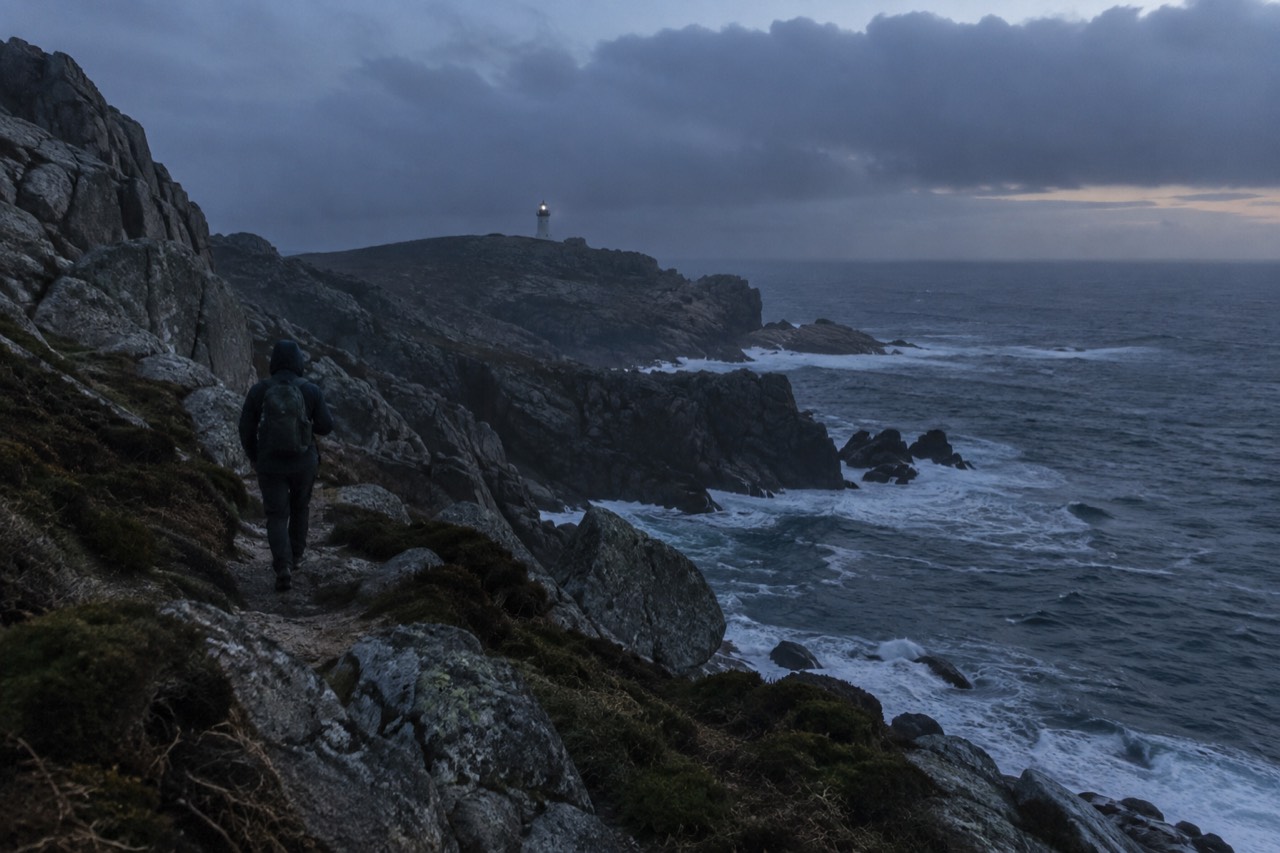
West of Santiago de Compostela the land stops at the Costa da Morte, a stretch of Atlantic coast where Fisterra, Muxia and Cabo Vilan mark the end of the Galician world.
Short answer
The Costa da Morte is the Atlantic coastline west of Santiago de Compostela, reached on organized full-day tours from $59-60 per person covering Fisterra, Muxia and stops along the coast, or on half-day express tours from $45.
West of Santiago de Compostela, after the last granite villages of the pilgrim roads thin out, Galicia ends at the Atlantic. The coastline there is the Costa da Morte, the Coast of Death, a name earned over centuries of shipwrecks on its rocks and one that today draws day-trippers out from the cathedral city by the busload. Fisterra, the old pre-Christian "end of the world," Muxia with its wild sanctuary on the waves, and the lighthouse cliffs at Cabo Vilan all sit on this one stretch of coast, and they sit within reach of a single long day trip. This guide covers what the coast is, which towns the tours actually stop at, what the verified tour options cost, and how to plan the day without inventing a single number.
What Is The Costa da Morte?
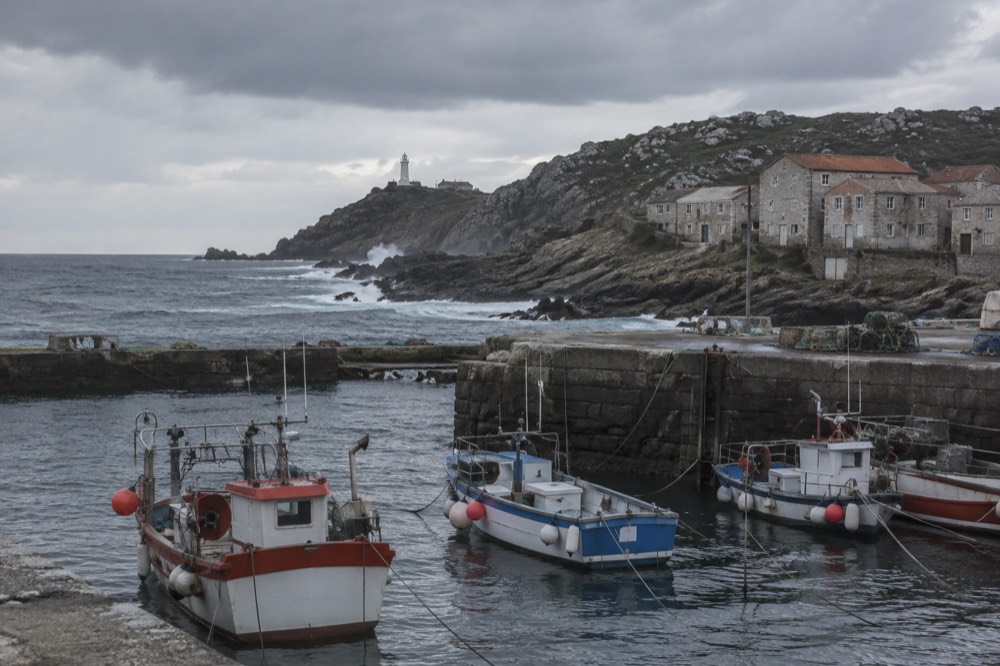
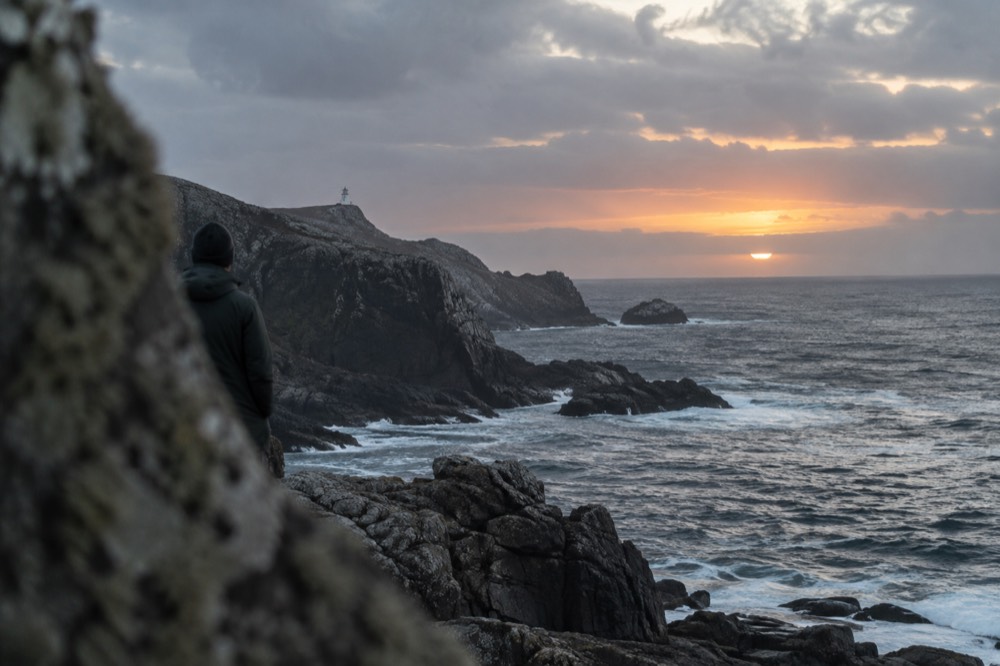
The Costa da Morte is the stretch of Atlantic coast west of Santiago de Compostela in Galicia, Spain, whose Spanish and Galician name translates literally as "Coast of Death," a label earned by centuries of shipwrecks on its exposed rocks. Its best-known points, Fisterra, Muxia and Cabo Vilan, all lie roughly west of the city and are covered by organized day tours. The coast is not a single town or a defined park: it is a named region of shoreline, and tour itineraries knit its highlights together.
The pilgrim connection matters here. Many walkers who finish at Santiago de Compostela keep walking: the Camino Finisterre continues west to the sea, an extension of the pilgrimage rather than a separate trail. Tour buses cover the same ground for visitors who arrive in the city without a month to spare.
The coast also sits inside a Galicia that the first page of search results rarely connects together: the same city that launches Costa da Morte trips also launches Rias Baixas winery day trips, and travelers with three or four days often split their time between the coast and the calmer inlets further south.
Why Is It Called The Coast Of Death?
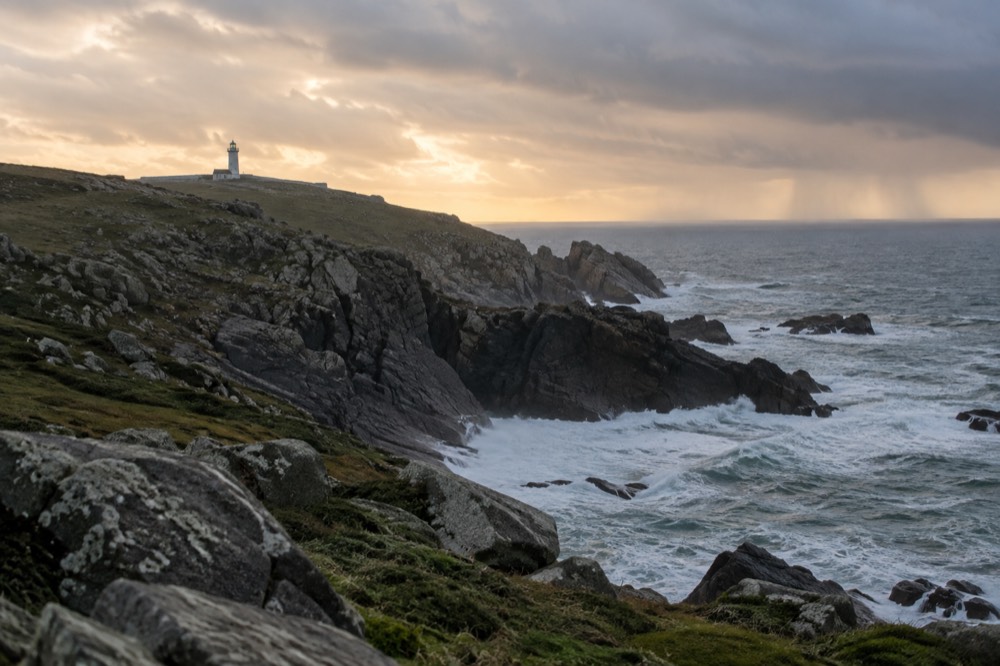
The name comes from the coast's shipwreck record: exposed to the full force of the Atlantic with no sheltering islands, the rocks of the Costa da Morte have wrecked vessels for as long as ships have sailed them, and the Galician and Spanish name, Costa da Morte, carries that history directly. The English phrase is a translation, not a marketing invention. What the name does not mean is that the coast is dangerous to visit today: the day trips that run there are ordinary guided excursions on regular roads.
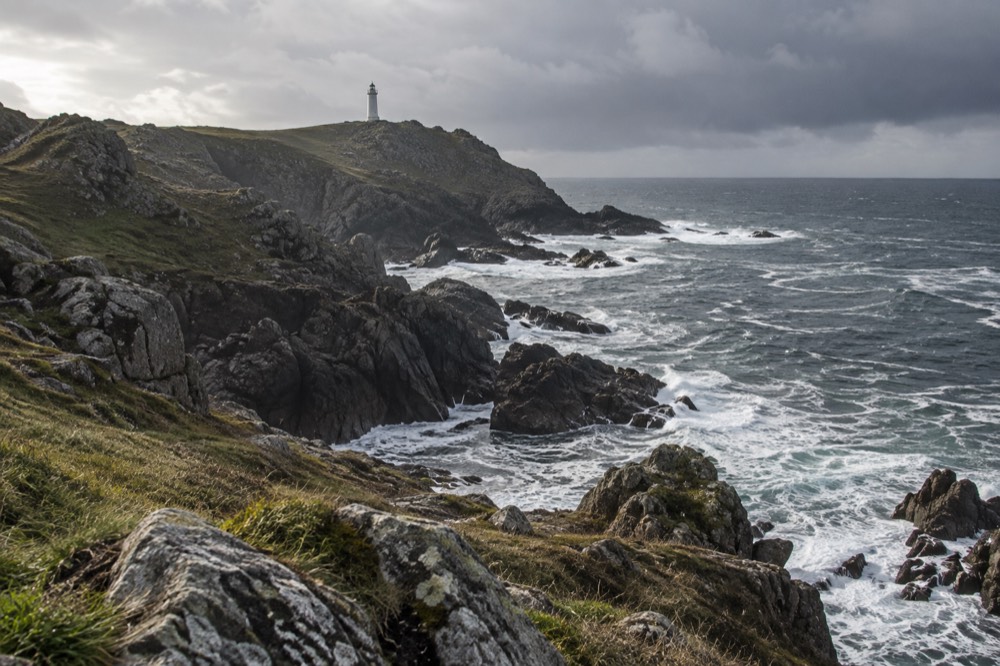
The human geography tells the same story in reverse. Fishing villages, lighthouses and stone crosses line the shore, and the sea shapes everything from the food to the festivals. The day-trip visitor sees the dramatic half: cliffs, lighthouses and open horizons. The working half, the ports and the fishing fleets, sits in the same harbors.
For context on how this coast fits the wider region, what Galicia is famous for extends well beyond the coast, but the Atlantic edge is the region at its most elemental.
Which Towns And Landmarks Do The Tours Stop At?
The verified Costa da Morte tours from Santiago de Compostela stop at Fisterra (or Finisterre, the Spanish spelling), Muxia, Cabo Vilan, and, on the most complete itineraries, Ezaro, Muros and Carnota; the exact stop list varies by tour, from seven stops on the widest itinerary down to two headline stops on the express versions. These names come straight from the tour listings themselves, so a buyer can check the stop count against what each product actually promises.
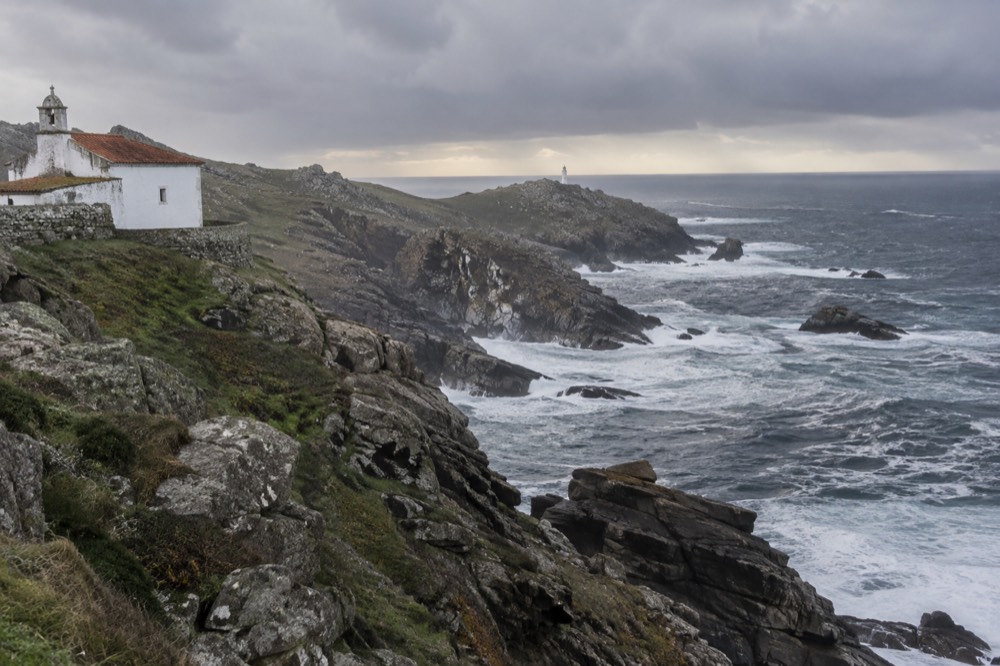
The two anchors are constant. Fisterra is the lighthouse headland that Romans treated as the end of the known world, and the tours time their visits around its views. Muxia is its counterweight: a sanctuary church on a rock-strewn shore where the Atlantic breaks directly against the stones, and a stop on every full itinerary in the roster.
The middle stops are where itineraries differ. Cabo Vilan, with its lighthouse, appears by name on one listing. Ezaro, Muros and Carnota appear together on another. The seven-stop itinerary spreads the day widest, which means less time at each stop and more time on the road between them.
What Are The Best Costa da Morte Tours From Santiago de Compostela?
The best-established Costa da Morte tour from Santiago de Compostela is the full-day Finisterre, Muxia and Costa da Morte excursion, from $59 per person and rated 4.7 from 2,312 reviews; the fullest itinerary version, with seven stops, runs from $60 and is rated 4.8 from 1,714 reviews, and a Cabo Vilan variant runs from $60 rated 4.8 from 267 reviews. All of these are full days; the price spread across them is a dollar at most.
Here is the verified field, prices and ratings taken from the live listings:
| Tour | Decision name | From (per person) | Rating | Reviews | Duration |
|---|---|---|---|---|---|
| From Santiago: Tour To Finisterre, Muxia & Costa da Morte | Finisterre, Muxía & Costa da Morte | $59 | 4.7 | 2,312 | Full day |
| Excursion to Finisterre + Muxia + Costa da Morte (7 stops) | Finisterre & Muxía, 7 Stops | $60 | 4.8 | 1,714 | Full day |
| Santiago de Compostela: Finisterre, Muxía & Costa da Morte | Costa da Morte, Cabo Vilán Stop | $60 | 4.8 | 267 | Full day |
| Finisterre and Costa da Morte: The Most Complete Tour of Santiago | Finisterre & Coast of Death | $60 | 4.8 | 860 | Full day |
| Santiago de Compostela: Finisterre, Costa da Morte, Ézaro, Muros & Carnota | Ézaro, Muros & Carnota Stops | $60 | 4.6 | 229 | Full day |
The pattern across the table is consistent: full-day tours cluster between $59 and $75, with the Costa da Morte core group tightly packed at $59-60. The review counts matter more than the dollar differences. The 2,312-review listing carries the most history; the 1,714-review seven-stop version carries the most stops.
The Cabo Vilan variant deserves its own line because it is the only listing that names that lighthouse stop explicitly. Travelers who specifically want the lighthouse should match the stop list before booking rather than assuming all itineraries are identical.
Full Day Or Express: Which Tour Length Fits?
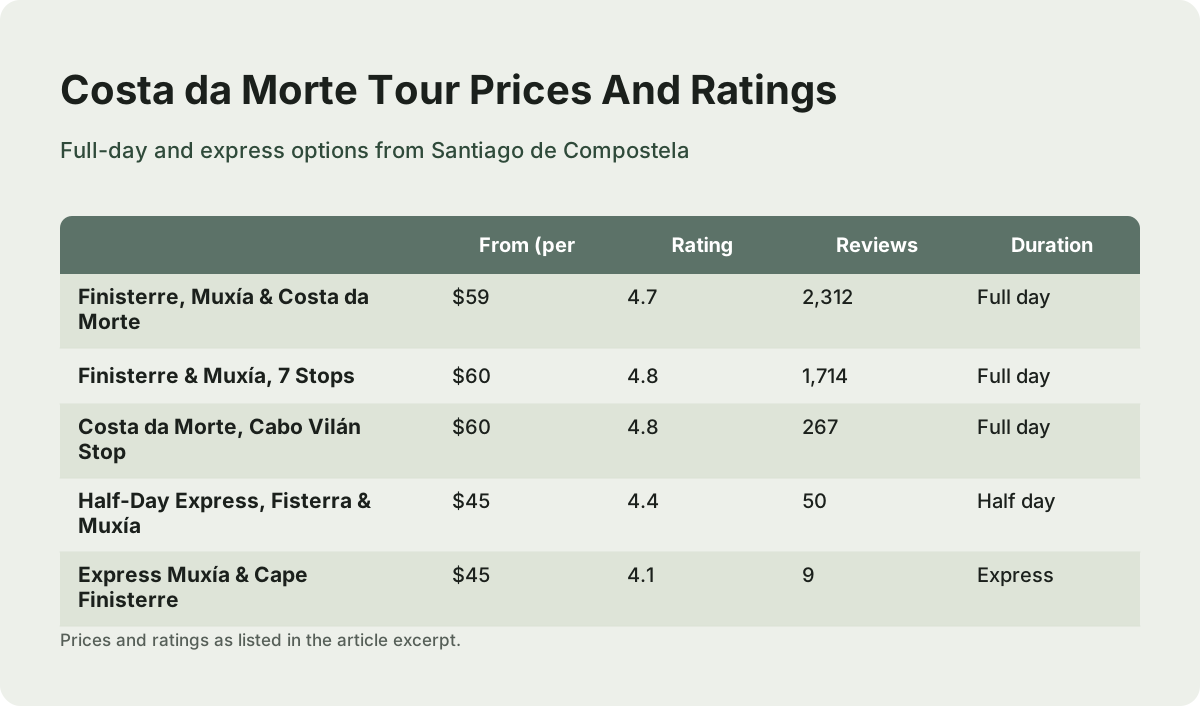
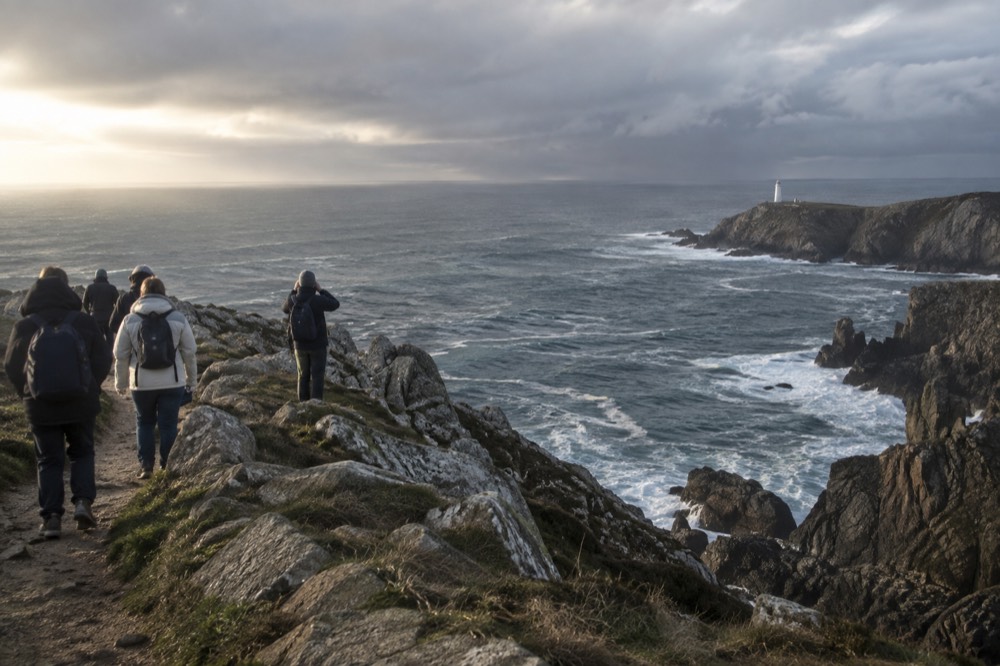
Full-day Costa da Morte tours run from $59-60 per person and cover Fisterra, Muxia and multiple coast stops, while the express half-day options run from $45 and cut the day to the two headline stops; the express tour from the roster is rated 4.4 from 50 reviews, against 4.8 from 1,714 for the seven-stop full day. The choice is really about how much coast a visitor wants beyond the two famous endpoints.
| Option type | Listing | From (per person) | Rating | Reviews | Duration |
|---|---|---|---|---|---|
| Full day, seven stops | Finisterre & Muxía, 7 Stops | $60 | 4.8 | 1,714 | Full day |
| Full day, standard | Finisterre, Muxía & Costa da Morte | $59 | 4.7 | 2,312 | Full day |
| Full day, Cabo Vilán stop | Costa da Morte, Cabo Vilán Stop | $60 | 4.8 | 267 | Full day |
| Half day express | Half-Day Express, Fisterra & Muxía | $45 | 4.4 | 50 | Half day |
| Express | Express Muxía & Cape Finisterre | $45 | 4.1 | 9 | Express |
Two cautions sit inside that table. The express listings carry far thinner review histories: 50 and 9 reviews against the four-figure counts on the full days. And "express" appears as its own duration label on one listing, meaning the operator's own description uses a word other than half day. Anyone booking the short versions should read the listing's own duration text rather than assuming a fixed number of hours.
For travelers weighing the coast against other options, the best day trip from Santiago de Compostela is a genuinely contested question, with the Rias Baixas winery routes and the Cies Islands both drawing comparable crowds.
How Much Does A Costa da Morte Day Trip Cost In Total?
A Costa da Morte day trip costs from $59-60 for the standard full-day tours, from $45 for the express versions, or from $75 for the guided private-tour route, plus lunch, which the listings leave to the traveler; budgeting a meal and any lighthouse or museum entry on top of the ticket is the realistic planning range, and checking the live listing for what each ticket includes is the only reliable method. The tour ticket is not the whole day's cost.
The roster gives verified starting prices, and the table above shows them side by side. What it cannot give is what each traveler spends beyond the ticket. Lunch stops on the coast are part of most itineraries' free time, and the listings do not pin those costs. The honest planning approach is the tour price plus a lunch allowance checked against the day's own stops. The rest of the planning pages sit on Santiago de Compostela Travel Guide.
A related question, whether Santiago de Compostela is expensive, covers the city end of the trip, but the coast runs on the same Galician price logic: modest by big-city Spanish standards, cash-friendly in small ports, and lunch-focused in a way that rewards arriving hungry.
When Is The Best Time Of Year To Visit The Coast?
AEMET's climate data for the Santiago de Compostela station shows a temperate oceanic pattern, wet year-round, wetter and cooler from October to March and driest in July and August, with annual precipitation on the order of 1,690-1,890mm; that means the coast is visitable in every season, but the driest, most reliable light for the cliffs is the July-August window. No month-by-month rainfall table has been verified in this site's research, so this guide deliberately avoids monthly figures.
The Atlantic changes the picture in two ways the city figures cannot capture. The coast is more exposed than the inland city, so the same wet season hits harder on a headland than on a plaza. And the coast's dramatic look, big waves and moody skies, is partly a winter product: the calmest summer days can flatten the sea into a gentler version of itself.
A practical read of the seasons: summer for the most dependable dry days, spring and autumn for thinner crowds with a real chance of weather, and winter for the coast at its most theatrical, accepting that any given day can simply be wet. The best month to walk the Camino page covers the same climate logic for pilgrims, whose shoulder-season preference lines up neatly with good coast conditions.
Can You Visit The Costa da Morte Without A Tour?
Yes, the Costa da Morte is a public coastline with towns and lighthouses reachable by road, but this site's verified research does not include any bus route, timetable or driving time from Santiago de Compostela to Fisterra or Muxia, so this guide will not print a journey time or a fare for the independent route; the verified options are the tours, whose prices and itineraries are confirmed in the listings. Independent travel is real and common; specific transit figures for it are simply not in the verified pack.
The gap matters for planning. A traveler who wants to self-drive the coast needs a rental car and their own route research, both outside this guide's verified scope. A traveler who wants the express or full-day experience has a fully documented set of options in the tables above.
What can be said without a number: the coast's stops are spread along one western shoreline, so a day trip by road moves between them in a single loop rather than hopping between disconnected points. The tours' stop counts, from two to seven, are themselves a signal of how much ground the full version covers.
What Can You Pair With A Costa da Morte Day Trip?
The strongest verified pairings from the tour roster are the Secrets of Compostela night tour, from $17 rated 4.9 from 74 reviews, and the Queimada Experience show and tasting, from $17, rated 4.4 from 69 reviews or 4 from 70 on the near-identical product; both fit the evening after a coast day, when the tours return to the city. A full day west followed by a short evening experience is a complete Santiago de Compostela rhythm.
| Pairing experience | Decision name | From (per person) | Rating | Reviews |
|---|---|---|---|---|
| "Secrets of Compostela" Night Tour | Secrets of Compostela Night Tour | $17 | 4.9 | 74 |
| Queimada Experience Show and Tasting | Queimada Show & Tasting | $17 | 4.4 | 69 |
| Old town walking tour with an official guide | Old Town Walk, Official Guide | $12 | 4.8 | 338 |
| Free Tour Santiago Essential (GuruWalk) | Essential Free Tour | Free, tip based | 4.91 | 4,797 |
The walking options belong on a different day, not the same evening: the free GuruWalk tours, led by local guides on a tip basis, run about two hours and are the city's most-reviewed walking products. On the free walks, GuruWalk is the platform and the individual guide is the point: the Essential Free Tour alone carries 4.91 from 4,797 reviews, and it costs nothing upfront because it runs on tips.
Longer stays open the wider day-trip field. The A Coruna day trip, the Vigo day trip and the Lugo day trip all radiate from the same city, and the coast pairs naturally with any of them across a three or four-day visit.
What Should You Know Before Booking?
Three things: check the stop list against the name, because "Costa da Morte" covers itineraries from two to seven stops at nearly identical prices; read the listing's own duration and cancellation terms before paying, since express and full-day labels differ between products; and book the headline tours ahead in the July-August dry season, when the coast is at its most visited. The verified reviews and prices in the tables above are the booking baseline.
The stop-count check deserves emphasis because the price barely signals it. A $60 ticket can be a seven-stop marathon or a standard two-anchor day. The listing is the only place the difference is spelled out, and matching the decision names in the table above to the live product pages removes the guesswork.
On cancellation and payment, the listings carry their own terms, and this guide does not restate operator promises. The reassurance worth acting on: the major platforms on this roster sell these as bookable-ahead products with standard cancellation windows, and checking the live listing before booking takes seconds.
How Does The Costa da Morte Compare With Other Day Trips?
The Costa da Morte is the coast day trip from Santiago de Compostela: from $59-60 full day against $45-54 for the Rias Baixas winery and mussel-boat trips, $45-75 for the coast and island variants, and $64-101 for the Ribeira Sacra and Cies Islands routes, with the Costa da Morte holding both the largest review base (2,312) and the tightest price cluster in the whole day-trip roster. It is the default choice for a first day trip out of the city.
| Day-trip region | Cheapest verified listing | From (per person) | Highest review count in group |
|---|---|---|---|
| Costa da Morte (Fisterra, Muxia) | Finisterre, Muxía & Costa da Morte | $59 | 2,312 |
| Rias Baixas (winery, mussel boat) | Rias Baixas with Boat Trip and Winery | $53 | 482 |
| Cies Islands | Visit to the Cíes Islands | $101 | No rating published |
| Ribeira Sacra (Sil cruise) | Ribeira Sacra Cruise, Monasteries and Ourense | $68 | 166 |
| Lugo and Catedrais Beach | Catedrais Beach, Lugo, Asturias | $68 | 181 |
The comparison is honest about what each region sells. The Costa da Morte sells cliffs and endings. The Rias Baixas sell wine and calm water. The Cies Islands sell beaches reachable only by boat. A traveler with one day picks a mood; a traveler with three picks all of them.
For the deeper planning questions, how many days to spend in Santiago de Compostela and whether the city is worth visiting both feed directly into how many day trips to add.
What Should You Pack For A Coast Day Trip?
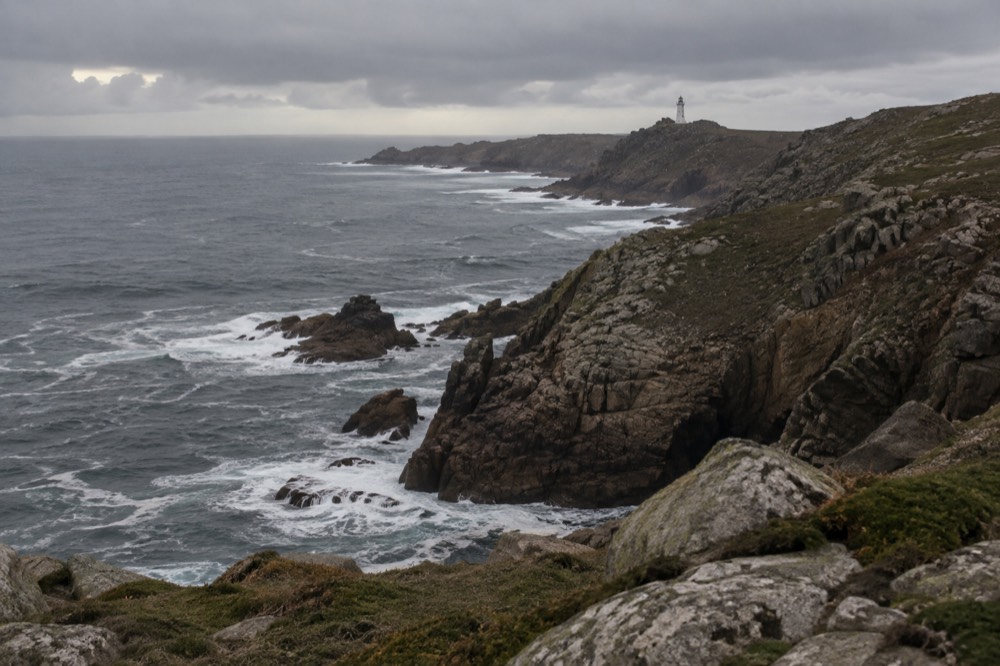
Pack for exposed Atlantic weather even in summer: a windproof layer and a waterproof are the two items the coast genuinely requires, because the headlands are open ground where AEMET's wet-year-round climate pattern and the ocean wind meet, and the sunniest booking can still turn within an hour; sturdy shoes for lighthouse paths and a camera for the long horizons complete the short list. The coast is not a city walk.
The day trips return to Santiago de Compostela by evening, so the packing question is really a layering question. Morning departure, midday coast, evening city: three different microclimates in one ticket. The rain reality behind it is documented in the city's climate data, where even the driest months sit inside a wet-year-round pattern, and the coast amplifies whatever the city is doing.
Planning ranges rather than promises apply to everything else: lunch money in cash-friendly amounts for small ports, water for a full day out, and any medication a long bus day requires. The listings cover the transport, the guide and the stops; the traveler covers the rest.
Common Questions About The Costa da Morte
Is the Costa da Morte worth a day trip from Santiago de Compostela?
Yes: it is the most-reviewed day trip category in the city's verified roster, with the headline Finisterre, Muxia and Costa da Morte tour rated 4.7 from 2,312 reviews at from $59 per person, and the coast's headlands and fishing ports are a genuine contrast to the city's granite plazas.
How long does a Costa da Morte tour take?
The core tours are full days; the roster also lists a half-day express version from $45 rated 4.4 from 50 reviews, and one listing labelled simply "express" from $45 rated 4.1 from 9 reviews. The exact hours are stated on each operator's live listing.
What is the difference between Fisterra and Finisterre?
They are the same place: Fisterra is the Galician spelling and Finisterre is the Spanish one, and this site's verified research confirms either name is correct. Tour listings use both, sometimes within the same product name.
Do Costa da Morte tours include lunch?
The listings leave lunch to the traveler: the verified tour prices from $45-75 cover transport, guiding and the stops, and meals are bought on the coast during free time. Check the individual listing for what your specific ticket includes.
Can you swim or relax on the Costa da Morte?
The Costa da Morte is a cliff and headland coast rather than a beach-holiday one: the day trips visit lighthouses, ports and viewpoints. For swimming, the Cies Islands day trip from the same city, from $101 per person, is the beach option in the roster.
Which Costa da Morte tour has the most stops?
The seven-stop itinerary: Excursion to Finisterre + Muxia + Costa da Morte, from $60 per person, rated 4.8 from 1,714 reviews.
The coast west of Santiago de Compostela earns its old name honestly, and a single booked day is enough to stand at Fisterra, watch the Atlantic work the rocks below, and be back in the old town by nightfall.