What Is The Best Day Trip From Santiago de Compostela?
The Finisterre, Muxia and Costa da Morte loop is the best day trip from Santiago de Compostela, with Rias Baixas wine country and Lugo close behind. Here is how to choose.
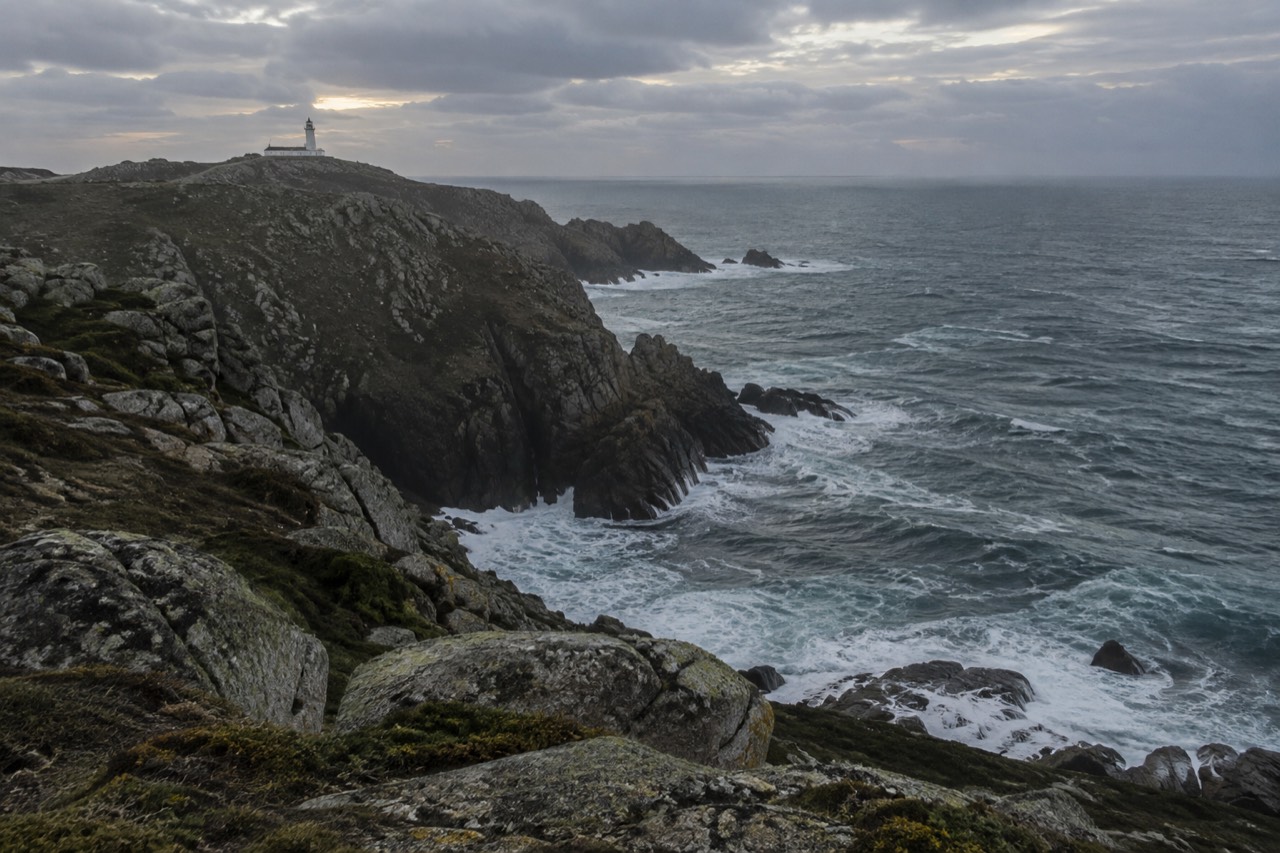
Galicia rewards the traveller who leaves Santiago de Compostela for a day. The pilgrim city sits at the edge of a coastline the Romans called the end of the known world, Finisterre, and within a short drive of Albarino vineyards, a Roman wall in Lugo and the canyons of the Ribeira Sacra. The Oficina del Peregrino's own figures show the scale of the place's pull: 530,987 Compostelas were issued in 2025, a record year, and a growing share of those pilgrims build day trips into their stay. The city's transport pages and the region's own tourism listings make one thing clear: the Costa da Morte loop is the day trip most visitors end up talking about. More on Santiago de Compostela Travel Guide in a moment, after the answer itself.
What Is The Best Day Trip From Santiago de Compostela?
The Finisterre, Muxia and Costa da Morte full-day excursion is the best day trip from Santiago de Compostela. It combines the lighthouse at Finisterre, the sanctuary at Muxia, the Cabo Vilan cliffs and a string of fishing villages along the so-called Coast of Death in a single guided loop, and the leading tours in this category are rated 4.8 out of 5 from hundreds to thousands of reviews, the strongest signal of any day trip category from the city.
The reason is simple geography. Santiago de Compostela sits inland, and the Costa da Morte is the closest stretch of genuinely dramatic open-ocean coast, a place where the Atlantic hits granite. The name comes from the shipwrecks, not the scenery, but the scenery is the reason the tours sell out. A full day covers the historic centre of Muxia, the lighthouse at the cape, beaches such as Playa del Gastro and the village of Fisterra itself, the Galician spelling that shares a name with the Spanish Finisterre.
The category is also unusually deep in quality. The roster of verified tours from Santiago de Compostela includes at least seven distinct Costa da Morte products, with review counts running from 9 to 2,312 and ratings between 4.1 and 4.8. When one destination has that many operators competing on it, the guiding tends to be sharp.
When Should You Pick Rias Baixas Instead?
Pick the Rias Baixas excursion over the Costa da Morte when the plan is wine and seafood rather than cliffs and lighthouses. Rias Baixas day trips from Santiago de Compostela pair an Albarino winery visit with the option of a mussel-boat trip through the estuaries, and the best-rated tours in the category run around 4.7 to 4.8 from several hundred reviews, with prices from roughly $53 to $54 per person for a full day.
The Rias Baixas are the drowned river valleys south of the city, and they produce the Albarino grape that made Galician white wine famous. A typical loop touches Cambados, the Combarro waterfront of granite horreos, the Arousa estuary and a winery. The mussel boat, where it is offered, floats through the platforms where the bivalves are farmed, with tastings served on the water.
The distinction matters for planning. The Costa da Morte is exposed Atlantic, wet and windy whenever a front rolls in. The Rias Baixas are sheltered inlets, which makes them the better pick in marginal weather. AEMET's climate data for the Santiago station shows the region is wet year-round and wetter still from October to March, so a shoulder-season traveller has real reason to choose the sheltered estuary over the exposed cape.
The Rias Baixas option also suits anyone whose trip already includes coastal scenery elsewhere, for instance travellers combining the city with the Cies Islands, which sit further south off Vigo and are a protected national park with visitor limits. Both the winery-boat and the Arousa-Combarro variants are full days, so the choice between them comes down to whether the winery or the village photos matter more.
When Is Lugo Or Catedrais Beach The Better Day Trip?
Lugo and Catedrais beach make the better day trip when the traveller has already seen the Galician coast or wants history instead of scenery. The Lugo and Praia das Catedrais excursions from Santiago de Compostela combine a complete Roman wall, a UNESCO-listed old town and the arch-shaped beach, with the leading tours rated 4.6 to 4.9 from roughly 181 reviews and prices from $68 to $75 for a full day.
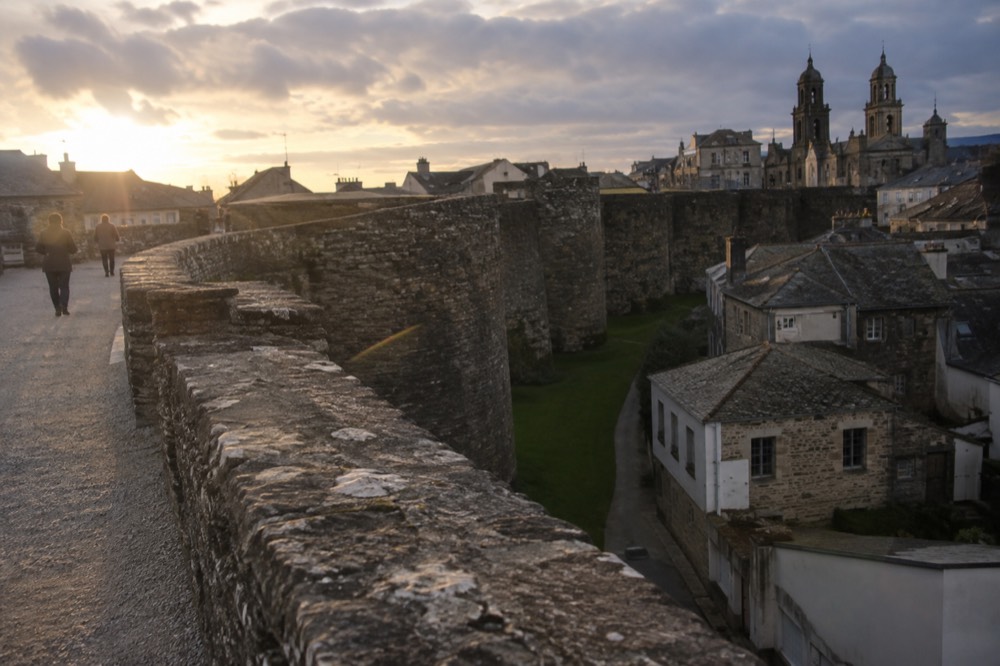
Lugo's Roman wall is the only fully intact Roman wall anywhere, a complete circuit the visitor can walk on top of. Praia das Catedrais, the beach of the cathedrals, takes its name from rock arches that are only walkable at low tide, which is why guided tours time the visit.
The catch is distance. Lugo and the coast lie east of Santiago de Compostela, which makes it a longer day than the Costa da Morte loop, and low-tide timing means some departures see the arches from the clifftop rather than under them. The tour listings state the tide-dependence plainly, so anyone booking should read that part of the listing before committing.
For a pilgrim finishing a Camino route, Lugo has a second appeal: the Camino Primitivo, the original route to Santiago de Compostela, passes through it. Walkers who finish in the city sometimes day-trip back to walk a remembered stretch. The Camino history is covered in detail in how long the Camino de Santiago takes to walk, and the rules for earning the certificate, last 100km walked with two stamps a day, are set out in the Compostela certificate requirements.
How Do You Choose Between All The Options?
Choose by weather, appetite and repeat visits: the Costa da Morte for first-timers and dramatic scenery, Rias Baixas for wine, seafood and sheltered water, Lugo and Catedrais for Roman history and rock arches, and the Ribeira Sacra for river canyons and monastery silence. Every one of these is a genuine full day from Santiago de Compostela, and none of them requires a car if a guided tour is booked, which is why the guided category dominates.
The Ribeira Sacra deserves a mention even though it is the outlier. Its tours run a Sil River cruise through the canyons where monasteries cling to the slopes, often paired with Ourense, a thermal-springs town, with prices from $64 to $68 and ratings from 4.3 to 4.6 on the verified roster. It is the pick for a traveller who has already done coast and wine and wants the interior. Ourense's hot springs are covered in the Ourense hot springs guide.
The decision usually comes down to the weather forecast. In a region where AEMET records annual rainfall approaching 1,800mm in some years, the sheltered Rias Baixas inlets and the inland Ribeira Sacra canyon are simply better bets on a grey day than an exposed Atlantic cape. On a clear day the ranking flips.
| Day trip | What it delivers | Tour category rating signal | From (per person) | Best when |
|---|---|---|---|---|
| Costa da Morte (Finisterre, Muxia) | Lighthouses, cliffs, fishing villages, beaches | 4.1-4.8 from 9 to 2,312 reviews | $45 | First visit, clear skies, scenery first |
| Rias Baixas (winery, mussel boat) | Albarino winery, estuary boat, Combarro, Cambados | 4.7-4.8 from 30 to 482 reviews | $45 | Wine and seafood, wetter weather |
| Lugo and Catedrais beach | Roman wall, World Heritage old town, rock arches | 4.6-4.9 from 181 to 189 reviews | $68 | History lovers, low tide timing |
| Ribeira Sacra and Ourense | Sil canyon cruise, monasteries, thermal town | 4.3-4.6 from 11 to 166 reviews | $64 | Repeat visitors, inland quiet |
Half-day express options exist for travellers with only a spare morning, such as the Fisterra and Muxia express tours rated 4.4 from 50 reviews and 4.1 from 9, at $45. They cover the two headline stops without the villages between, which suits a tight schedule but loses much of the coastline. The full-day versions earn their ratings by including Cabo Vilan, Ezaro and the Muros and Carnota stops on some routes, the wider loop products rated 4.6 to 4.8 on larger review counts.
Is A Day Trip Better Than Extending The Camino To Finisterre?
For most travellers a day trip is the better choice, and the numbers back it. The Camino Finisterre extension means three more walking days from Santiago de Compostela to the cape, whereas the best-rated day tours cover Finisterre, Muxia and the Costa da Morte in one guided loop rated 4.7 to 4.8 from up to 2,312 reviews at around $59 to $60. Walking it is the better choice only for pilgrims who want the full Fisterra-Muxia pilgrimage credencial experience.
There is a genuine tradition here. Medieval pilgrims who reached Santiago de Compostela often continued to what they believed was the end of the world, and a separate pilgrim credential exists for the route. Walking it earns the Fisterrana and Muxiana certificates at the two endpoints, distinct from the Compostela. The trade-off is time: three walking days versus one tour day, and a tour day that also includes villages the walking route bypasses or passes through too tired to notice.
The walking route's demands, terrain and staging are covered in is the walk from Santiago to Finisterre worth it, and the wider Camino context in which Camino route is best for beginners. For a traveller with two weeks, walking wins. For a traveller with two days in the city, which the site's own how many days to spend in Santiago de Compostela article recommends, the day trip wins outright.
A practical note for anyone booking around cathedral plans: the Botafumeiro, the giant censer, is currently out of action because scaffolding for the dome restoration covers its hanging mechanism, the Cathedral confirmed this in writing on 5 September 2026 and no return date has been published. No day trip is affected by this, but a traveller packing both the cathedral and a coastal day into one itinerary should not plan around seeing it swing. The Pilgrim Mass schedule also shifts: the 9:30am, noon and 7:30pm masses move from the Cathedral's High Altar to the Church of San Agustin from 16 October 2026, with only the 7:30am mass staying in the Cathedral's own chapel. The details are in does the Botafumeiro swing every day.
What Does The Best Day Trip Actually Cost?
The best day trip from Santiago de Compostela, the full Costa da Morte loop, costs from about $59 to $60 per person on a guided tour, while the wider day-trip field from the city runs from roughly $45 to $101 depending on destination and inclusions, and the Cies Islands visit sits at the top of that range at $101 with no published rating. Guided tours bundle transport, a guide and the stops; the only significant variable inside a category is whether lunch is included, which the individual listings state.
The value case for the guided versions is the transport arithmetic. Renting a car for a Costa da Morte loop means a day of cliff-edge Galician roads and village parking; the tours run it daily with a driver who knows them. The budget alternative is the public bus to Finisterre town, which exists but turns the day into a single-stop outing rather than the loop, and it surrenders Muxia, Cabo Vilan and the villages in between.
| Option | Typical price range | What is included | Trade-off |
|---|---|---|---|
| Costa da Morte full-day tour | $59-$60 per person | Guide, transport, lighthouse stops, Muxia | No Botafumeiro or cathedral content, obviously |
| Rias Baixas winery and boat tour | $53-$54 per person | Winery visit, estuary boat where offered | Wine rather than scenery |
| Lugo and Catedrais tour | $68-$75 per person | Guide, Roman wall, beach at low tide | Longer transfers east |
| Cies Islands visit | $101 per person | Island ferry day, national park access | Protected-site limits, no rating published |
Prices shift with season, and the operator's live listing is the only source for the figure on a specific date. That is doubly true heading into 2027: the next Holy Year opens on 31 December 2026 and runs through 31 December 2027, and demand across the whole region, day trips included, will tighten through that year. Booking a July 2027 day trip in May 2027 is prudent; the region's driest months, July and August per AEMET's data, are exactly when everyone wants the coast.
Common Questions About Day Trips From Santiago de Compostela
What is the best day trip from Santiago de Compostela?
The Finisterre, Muxia and Costa da Morte full-day excursion is the best day trip from Santiago de Compostela, combining the cape's lighthouse, the Muxia sanctuary and the coastal villages in one guided loop, with the category's top tours rated 4.7 from as many as 2,312 reviews.
Can you visit Finisterre and Muxia in one day from Santiago de Compostela?
Yes, that is exactly what the full-day Costa da Morte tours do, roughly a guided loop from the city covering both endpoints plus coastal stops such as Cabo Vilan. Express half-day versions cover the two headline stops only.
Do you need a car for day trips from Santiago de Compostela?
No. The verified guided tours cover the Costa da Morte, the Rias Baixas, Lugo and Catedrais, the Ribeira Sacra and the Cies Islands from the city with transport included. A car only helps for an independently driven itinerary or a small village not on any tour route.
Which day trip from Santiago de Compostela is best in bad weather?
The Rias Baixas winery and mussel-boat excursion, because its estuaries are sheltered and much of the day is indoors or afloat. AEMET's data shows the region is wet year-round and wetter October to March, so this matters for most of the calendar.
Is Rias Baixas or the Costa da Morte a better day trip?
Scenery-first travellers pick the Costa da Morte, its cliffs, lighthouses and the end-of-the-world cape. Wine and seafood travellers pick Rias Baixas, the Albarino wineries and estuary boats. On a grey day the Rias Baixas is the safer bet because the water is sheltered.
Is walking to Finisterre better than taking a day trip?
Only for pilgrims with three spare days, since walking the Camino Finisterre from Santiago de Compostela to the cape is a multi-day route with its own credential. Everyone else gets the same coastline, plus Muxia and the villages between, in one guided day.