City Of Culture Of Galicia In Santiago de Compostela
The City Of Culture Of Galicia is Santiago de Compostela's boldest piece of contemporary architecture, a hilltop cultural complex that splits visitors cleanly into fans and sceptics. This guide covers what it is, how it fits a first visit, and what to combine it with.
Short answer
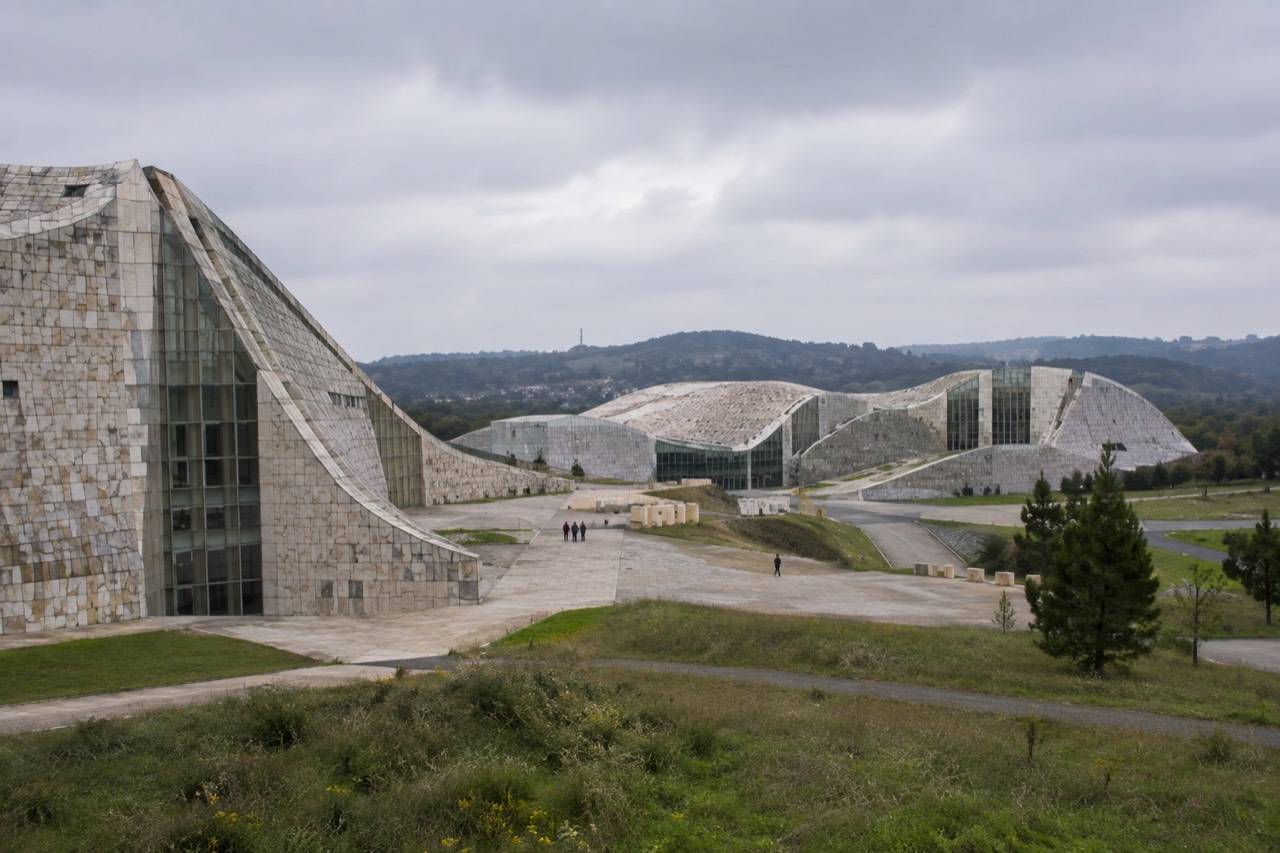
The City Of Culture Of Galicia (Cidade da Cultura de Galicia) is a sprawling cultural complex of pale stone buildings on the Gaiás hill overlooking Santiago de Compostela, housing Galician libraries, archives, museum space and event venues. Entry to the outdoor terraces and viewpoints is free and always open; individual buildings keep their own hours and ticketing, which should be checked on each venue's own site before a visit. Allow a half morning or half afternoon, and combine it with the old town rather than treating it as a standalone day.
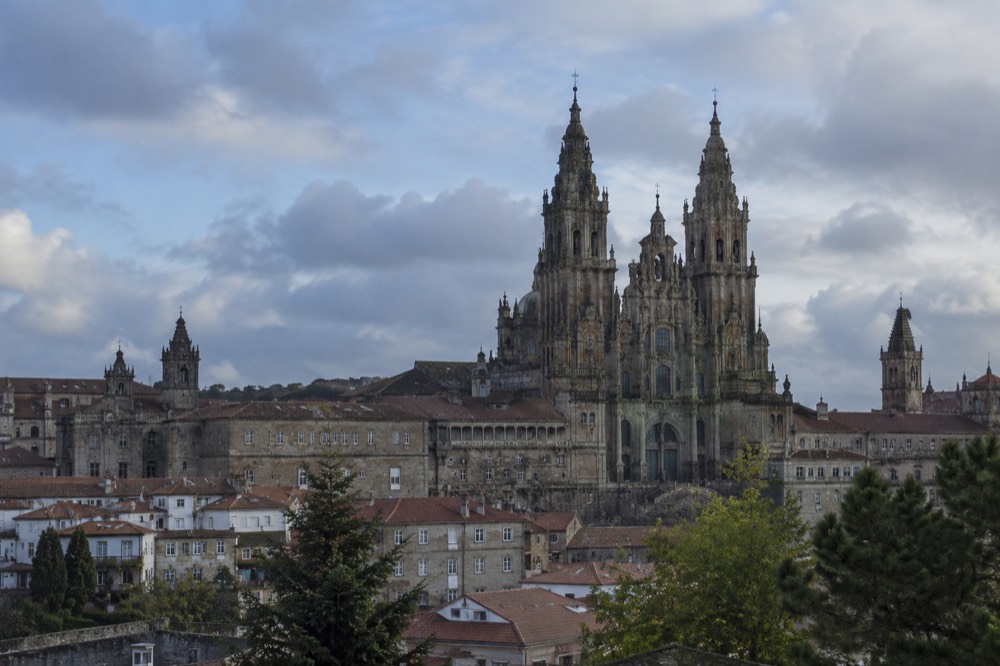
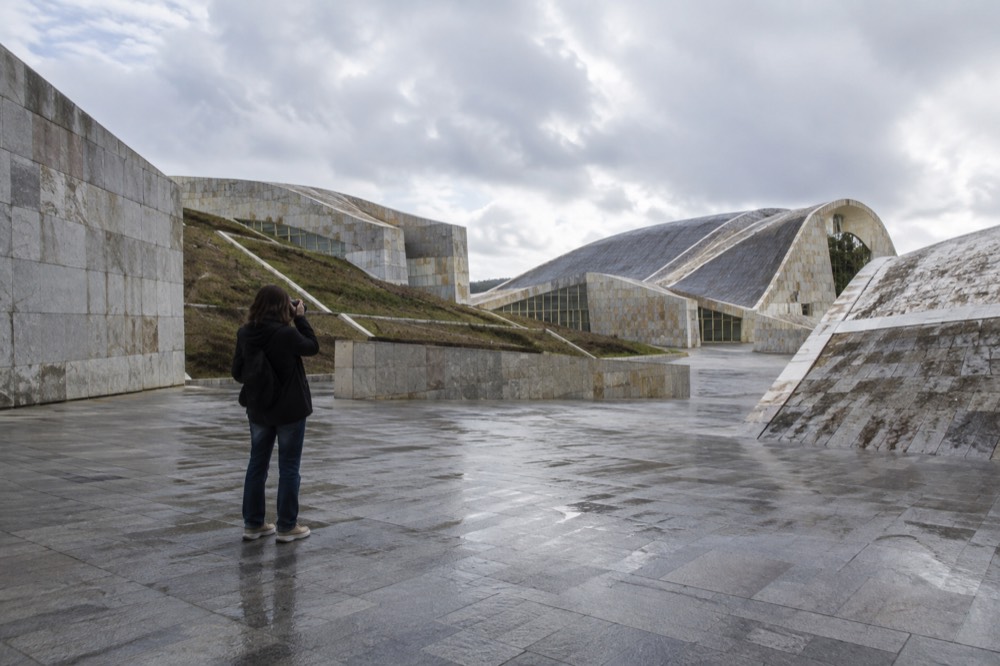
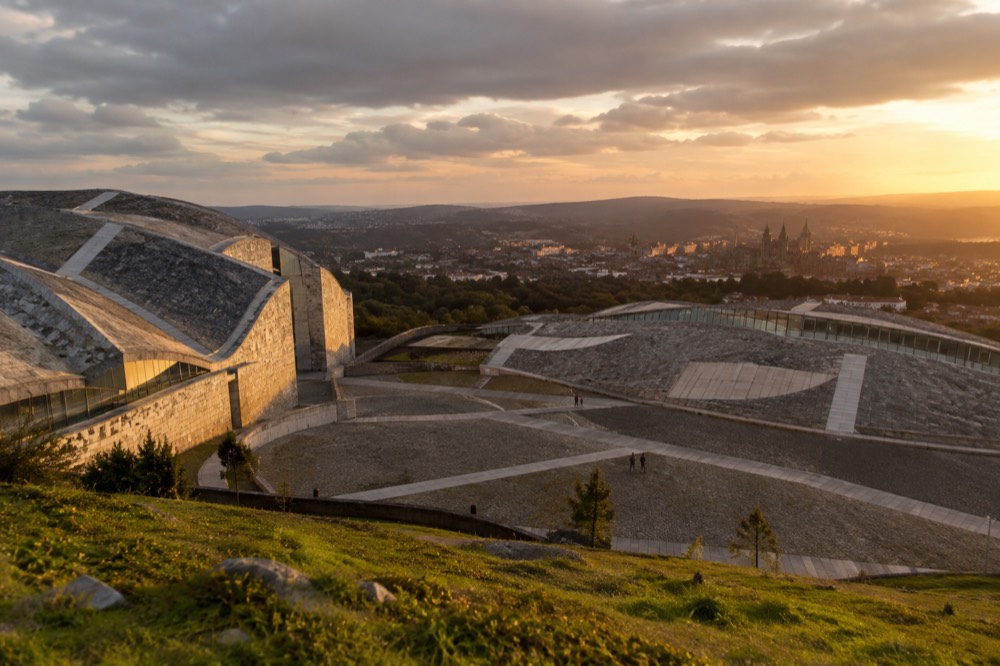
Santiago de Compostela built its reputation on granite, pilgrimage and nine centuries of Gothic and Baroque stonework, and then, on the Gaiás hill above the city, it built something completely different. The City Of Culture Of Galicia, known locally as the Cidade da Cultura, is a vast complex of pale, wave-shaped stone buildings arranged across a hilltop with views back over the old town and its Cathedral towers. It is the most argued-about piece of architecture in Galicia, and for exactly that reason it belongs on any Santiago de Compostela itinerary that has more than a day in it.
This guide from the Santiago de Compostela Travel Guide editorial desk covers what the complex actually is, what you can realistically see there, how to reach it, and which tours pair well with it. One warning applies throughout: opening hours and ticketing for the individual buildings inside the complex are not officially published, so every practical detail below says what to check and where, rather than printing a number that could be wrong by the time you travel.
What Is The City Of Culture Of Galicia?
The City Of Culture Of Galicia is a purpose-built cultural complex on the Gaiás hill overlooking Santiago de Compostela, made up of interconnected stone buildings holding Galicia's library and archive functions, exhibition and museum space, performance venues, and extensive outdoor terraces. Built as a flagship regional project, it takes its whole vocabulary from Galicia's own historical street plans and granite. It is free to walk its outdoor areas, and its indoor venues run their own programmes and hours.
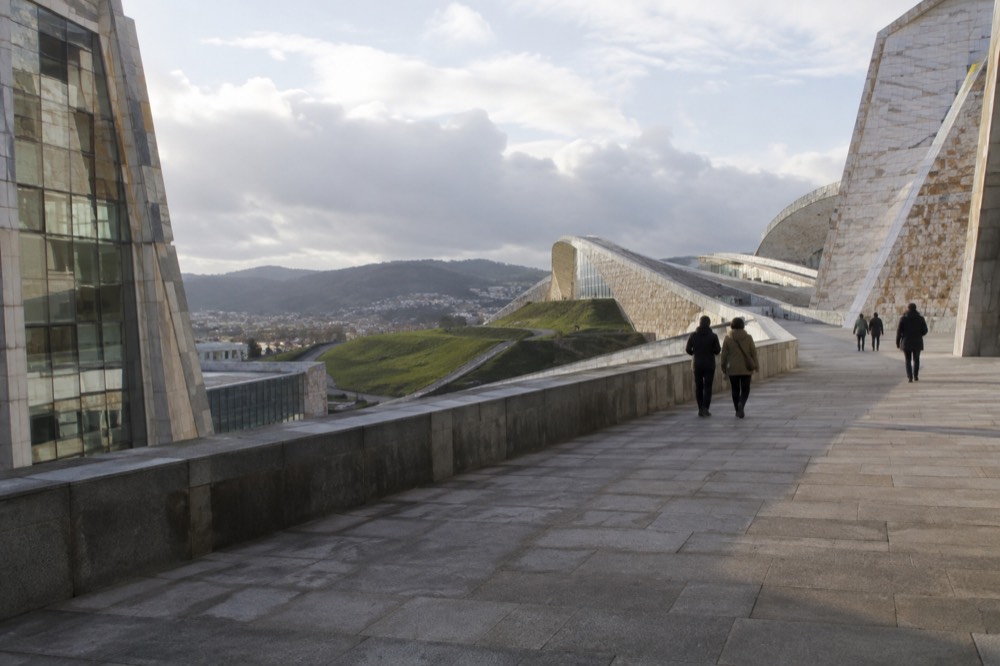
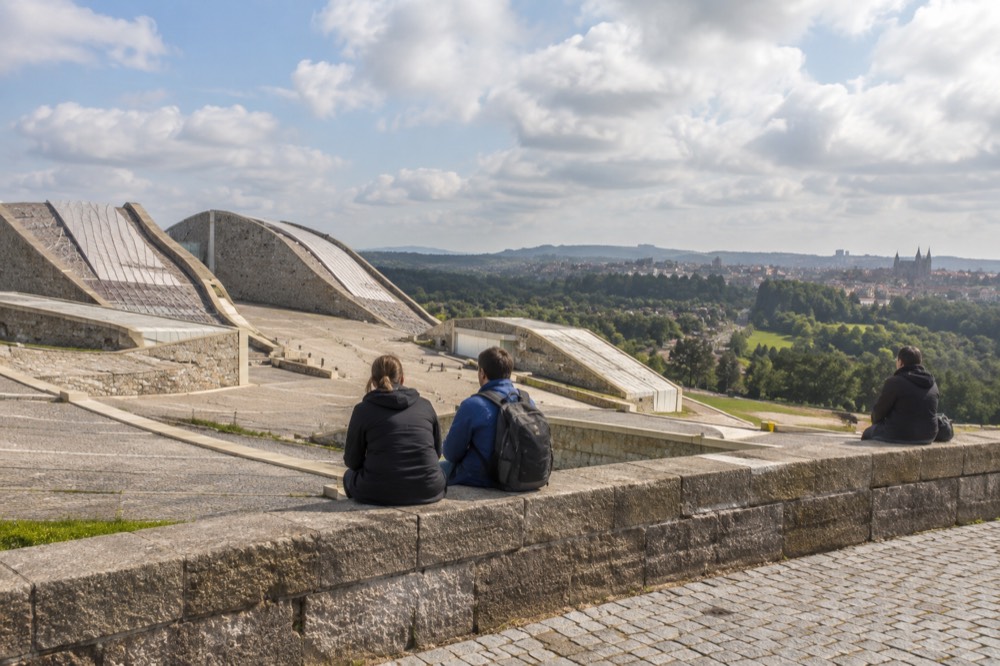
The idea behind the project was to give Galicia a cultural institution of the same weight as the pilgrimage city below it. Whether it succeeded is the local argument that never ends. What is not in dispute is the effect of arriving at the top: the buildings interlock like a deformed map of a medieval city, and the paths between them frame sudden, wide views of Santiago de Compostela's skyline, with the Cathedral's towers unmistakable in the middle distance.
The complex is best understood as two experiences in one. The first is architectural: the terraces, stairways and stone surfaces are open to walk, photograph and linger on, and that costs nothing. The second is institutional: the library, archive, museum and event venues inside, each with its own programme, ticketing and schedule. The research behind this site could not verify current opening hours for the indoor venues, so check each venue's own site before planning a visit around anything specific inside.
For context on how Galicia sees its own culture, and why a project like this exists at all, the companion piece Why Is Galicia Different From Spain? covers the regional identity question in depth.
How Do You Get To The City Of Culture From Santiago De Compostela's Old Town?
The Cidade da Cultura sits on the hillside above Santiago de Compostela, reachable by a short bus or taxi ride from the old town, with the journey treated by most visitors as a half-morning or half-afternoon excursion. A specific bus route number, frequency or fare for this exact journey is not officially published, so check the city's own transport page before you travel. Walking up is possible and involves a sustained climb on the way there.
The honest framing is this: the complex sits high above the old town, and the last stretch is a genuine hill. The airport research in this site's pack illustrates how fares in Santiago de Compostela are in flux right now. As of late September 2026, the airport bus, line 6A run by Tussa, costs 1 EUR to the driver or 0.36 EUR on a card, but a new Monbus contract with a fare near 6 EUR is expected in autumn 2026, possibly by December. That is the airport route, not the Cidade da Cultura route, but it is a good reason to treat any printed local bus fare in this city as provisional and confirm on the city's own transport page before relying on it.
The standard pattern that works for most visitors is simple. Spend the morning in the compact old town, which is entirely walkable and needs no transport at all, then take a bus or taxi up to the Cidade da Cultura for the afternoon light, when the view back across the city is at its best. The old town's key sights, including the Cathedral of Santiago de Compostela and the Praza do Obradoiro, sit within a few minutes' walk of one another, so a morning there is dense and a hilltop afternoon feels like a natural second act.
A well-reviewed official-guide walking tour is the most efficient way to absorb the old town before you head uphill. The options below are all bookable as city tours from the current roster.
| Tour | Decision Name | Price | Rating | Reviews |
|---|---|---|---|---|
| Old town walking tour with an official guide | Old Town Walk, Official Guide | from $12 | 4.8 | 338 |
| Santiago: Historic Walking Tour and Highlights | Historic Walk, City Highlights | from $17 | 4.9 | 29 |
| Guided Tour Historic Town with Official Guide | Historic Town Walk, Official Guide | from $14 | 4.8 | 144 |
| Santiago de Compostela Historic Walking Tour in Small Group | Private Historic Walk, Small Group | from $29 | 4.9 | 16 |
If you prefer to start at the hill and finish in the city, reverse it: the climb down into town is easier on the legs, and you arrive at street level right in the middle of the tapas streets.
What Can You Actually See And Do At The City Of Culture?
You can walk the outdoor terraces and viewpoints for free at any time, tour the architecture and landscaped grounds photographically, and visit whichever indoor venues are open on your date: Galicia's library and archive functions, exhibition spaces and event venues, each running its own programme. Expect roughly two to three hours for the outdoor complex alone at a relaxed pace. This site's research does not verify indoor hours, admission prices or current exhibitions, so those must be checked on each venue's own site.
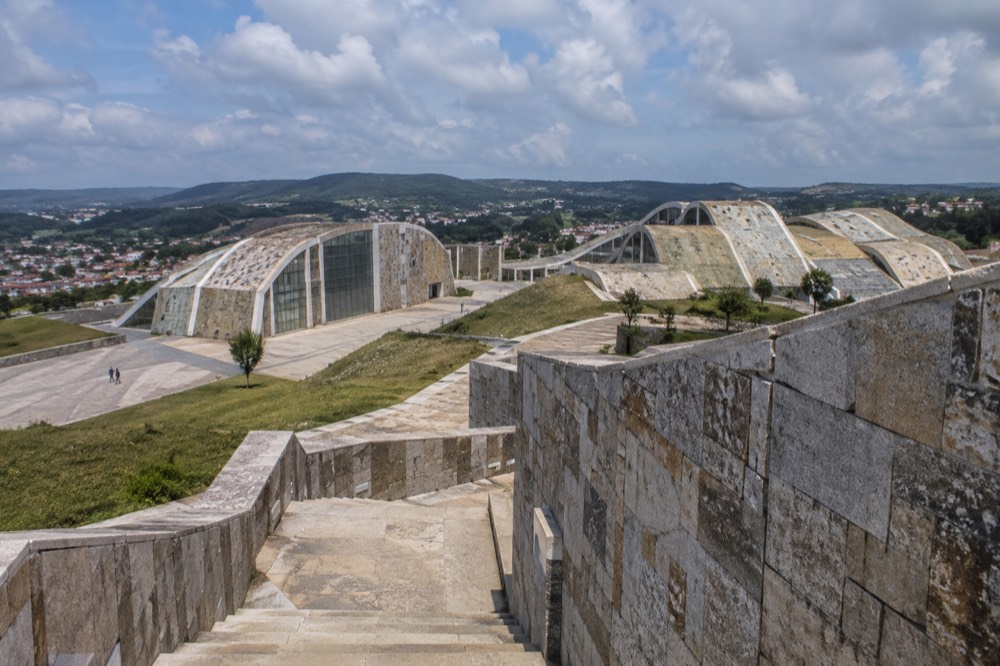
Start with the free part, because it is genuinely the best part for most visitors. The terraces between the buildings function as an open-air architecture walk: the stone surfaces, the deliberately distorted geometry and the framed views over Santiago de Compostela reward slow wandering far more than a rushed circuit. Photographers get the most out of the place in the last two or three hours of daylight, when the low sun rakes across the pale stone.
The indoor side is where the checking matters. The details below flag museum and venue hours across Santiago de Compostela as unverified, including at the major municipal museums, and the Cidade da Cultura's venues are no exception. Do not build an itinerary around a specific exhibition until you have confirmed it on the venue's own site. What you can safely plan around is the outdoor complex, the walk, and the view.
The hilltop position also puts the complex in a small family of Santiago de Compostela viewpoints, and it is worth knowing which ones earn their climb. The table below sets the Cidade da Cultura against the other elevated perspectives covered elsewhere on this site.
| Viewpoint | What You See | Effort | Cost |
|---|---|---|---|
| Cidade da Cultura terraces | Modern complex plus the whole city skyline from the west, Cathedral towers in the distance | Sustained hill climb or short bus/taxi ride | Outdoor areas free |
| Cathedral rooftops tour (Cubiertas + Torre de la Carraca) | Old town rooftops from about 72m, guided, about 140 steps, about 60 minutes | 140 steps | 15 EUR general, 12 EUR reduced, per the Cathedral's own ticket page |
| Monte do Gozo | City and Cathedral from the east, the classic pilgrim arrival view | Gentle walk or short ride | Free |
| Alameda park | Postcard view of the Cathedral's west facade through the trees | Flat, easy stroll | Free |
The rooftop comparison matters because it is the other paid perspective in the city, and it is verified in detail. The Cathedral's own ticket site lists the Cubiertas and Torre de la Carraca guided visit at 15 EUR general and 12 EUR reduced, bookable online with timed slots, and granting free access to the permanent museum collection and other sites for 7 days. Full detail is in this site's Cathedral rooftops tour guide.
How Does The Cidade Da Cultura Compare To Santiago De Compostela's Other Big Sights?
The Cidade da Cultura is the city's only major contemporary landmark, and it works as the counterweight to the medieval core: where the old town is UNESCO-listed, dense and 1,000 years deep, the Gaiás hill is modern, spread out and free to wander. Most first-time visitors should do the Cathedral, the old town squares and the market first, then come up here with whatever time remains. It rewards travellers with a second or third day far more than travellers on a tight schedule.
The old town of Santiago de Compostela was inscribed by UNESCO in 1985, a fact worth stating precisely because the city carries two separate UNESCO listings that are often merged into one. The Old Town inscription dates from 1985; the Routes of Santiago de Compostela: Camino Frances and the Routes of Northern Spain is a separate inscription from 1993. Getting those two dates and listings right is the kind of detail that separates a careful itinerary from a copy-pasted one.
For depth on the medieval side of that comparison, this site carries dedicated guides to the Hostal dos Reis Catolicos parador, the Portico da Gloria, and the Cathedral museum. For the food-and-market side, the Mercado de Abastos is the old town's working market, with the same caution about hours: this site's research flags Abastos opening hours as unverified, so check before you walk over.
Two time-sensitive Cathedral facts belong in any honest comparison written in late 2026. The Botafumeiro, the Cathedral's famous swinging censer, is currently out of action: scaffolding for the cimborrio, the dome, covers its hanging mechanism, the Cathedral confirmed this in writing on 5 September 2026, and no return date has been published. And from 16 October 2026, the 9:30am, noon and 7:30pm pilgrim masses relocate from the Cathedral's High Altar to the nearby Church of San Agustin, with only the 7:30am mass remaining in the Cathedral's own Communion chapel; before that date all four daily masses are held at the main altar. Neither change affects the Cidade da Cultura, but both belong in any plan that pairs the hill with the Cathedral on the same day.
Which Tours And Guides Pair Well With A Cidade Da Cultura Visit?
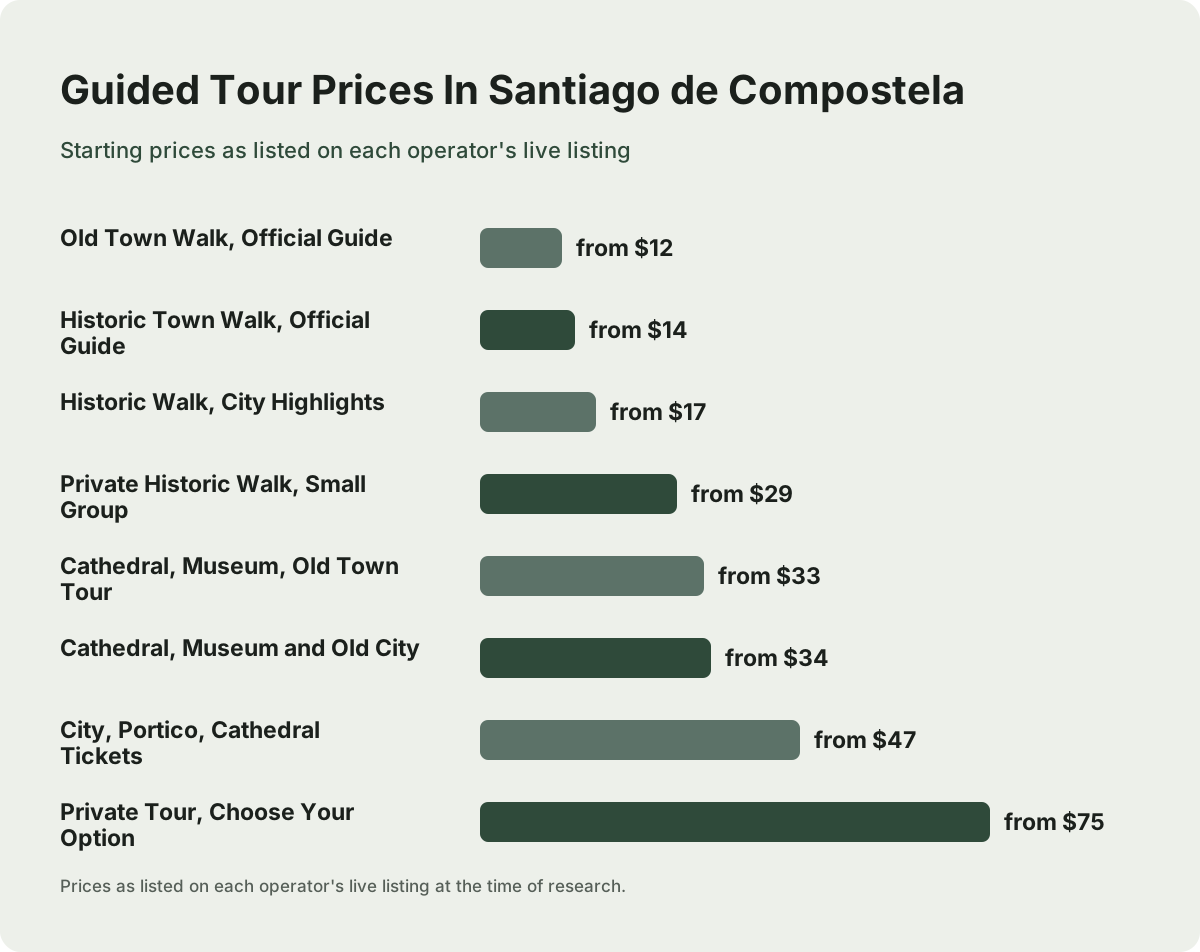
The strongest pairing is a Cathedral, museum and old city guided tour in the morning followed by an independent afternoon on the Gaiás hill terraces, because the tour covers the ticketed medieval core and the hill covers the free modern side. For travellers who want everything handled, a private tour with a chosen option can fold the Cidade da Cultura into a custom route. Free, tip-based walking tours cover the old town only, and none of the verified roster covers the hilltop complex itself.
The roster behind this site contains 43 verified products, and the ones that fit this page's plan are below. Prices and ratings are as listed on each operator's live listing at the time of this site's research.
| Tour | Decision Name | Kind | Price | Rating | Reviews |
|---|---|---|---|---|---|
| Guided Tour Santiago Cathedral, Museum and Old City | Cathedral, Museum, Old City | cathedral-and-rooftops | from $34 | 4.9 | 115 |
| Santiago: Historic Walking Tour and Highlights | Historic Walk, City Highlights | city-walking-tours | from $17 | 4.9 | 29 |
| Private tours Santiago de Compostela: choose your option | Private Tour, Choose Your Option | specialty-and-private | from $75 | 5 | 150 |
| Cathedral, Museum, and Old Town Tour | Cathedral, Museum, Old Town Tour | cathedral-and-rooftops | from $33 | 4.8 | 436 |
| Santiago Complete Tour: City, Portico and Cathedral Tickets | City, Portico, Cathedral Tickets | cathedral-and-rooftops | from $47 | 4.8 | 194 |
The free GuruWalk tours deserve their own mention, because they are the honest budget option and this site names GuruWalk wherever one of its walks is recommended. These are free, tip-based tours led by local guides, and no price belongs in any sentence about them.
| Free Tour (GuruWalk) | Decision Name | Duration | Rating | Reviews |
|---|---|---|---|---|
| Free Tour Santiago Fundamental The most complete! | Free Tour, 2 Hours, Most Complete | 2h | 4.95 | 6,342 |
| Essential Free Tour Santiago, Individual Radio Guide Included! | Free Tour, Radio Guide Included | tip based | 4.96 | 1,099 |
| Free Tour Santiago Essential | Essential Free Tour | tip based | 4.91 | 4,797 |
| Magical Compostela: the best free legends tour | Free Legends Tour | tip based | 4.85 | 1,106 |
| Free Tour Santiago de Compostela Historic Center | Free Historic Center Tour | tip based | 4.67 | 217 |
For a private, customised day that can build the hilltop into a route of your own choosing, the private-tours option in the roster is the flexible pick.
When Is The Best Time To Visit The Cidade Da Cultura?
The best time to visit the Cidade da Cultura is late afternoon in the drier months, because the terraces are an outdoor experience and the complex is at its best in low, raking light with the city skyline clear below. Santiago de Compostela's climate is temperate oceanic, wet year-round, wetter from October to March, and driest in July and August, so summer and early autumn give the best odds of the view actually being visible. Rain is always possible, so keep an indoor fallback.
AEMET's climate data for the Santiago de Compostela station shows annual precipitation on the order of 1,690 to 1,890mm, which is the number that surprises every visitor from a drier part of Spain. No verified month-by-month normals table is officially published, so no monthly rainfall or temperature figure is printed here; the seasonal pattern above is the safe, verified framing. The full seasonal breakdown, in the same cautious language, is in this site's weather guide.
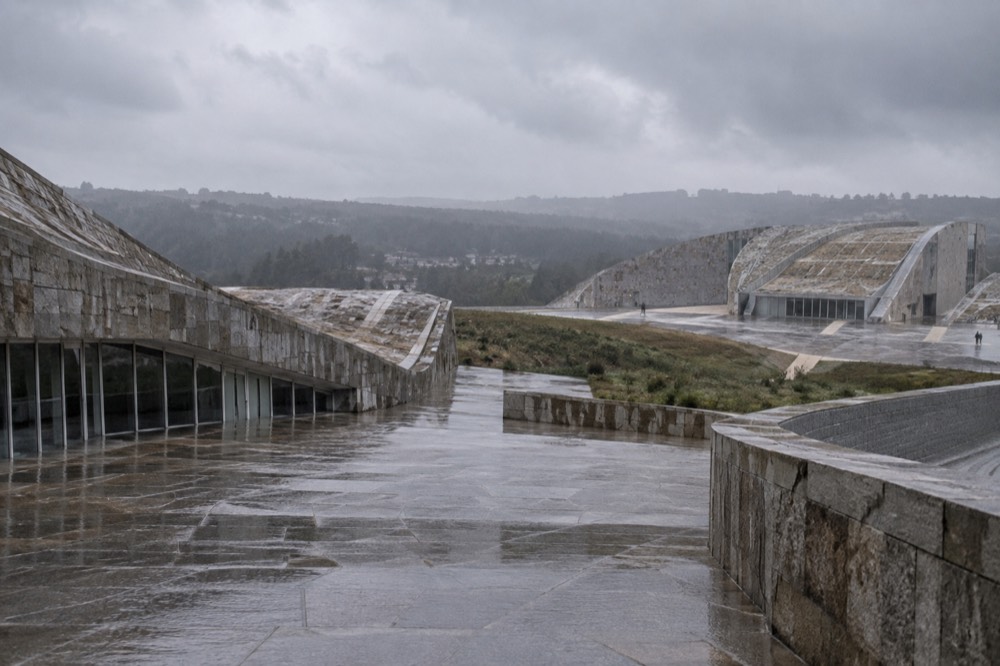
Rain changes this specific plan more than most. When the drizzle sets in, the open terraces lose most of their appeal and the indoor venues become the whole visit, which is exactly when unverified hours bite. The Museo do Pobo Galego and the Museo das Peregrinacions are the classic indoor fallbacks, with the standing caveat that current opening hours for those museums are unverified in this site's research and must be checked on each venue's own site.
What Else Should You Combine With The Cidade Da Cultura?
The strongest combinations are Monte do Gozo for the pilgrim-arrival view on the opposite side of the city, the Alameda park for the classic Cathedral postcard, and, with a full spare day, a guided day trip to Finisterre, Muxia and the Costa da Morte, or to the Rias Baixas wine country. A one-day visit to Santiago de Compostela should skip the day trips and choose between the hill and Monte do Gozo; two days comfortably fits the hill plus one excursion.
Monte do Gozo, covered in this site's dedicated Monte do Gozo guide, is the natural companion because it completes the ring of perspectives: the Cidade da Cultura looks at the city from the west, Monte do Gozo from the east, and the Alameda park frames it from the south at street level. Doing all three in one day is a legitimate, low-cost way to understand the city's shape, and it needs nothing but a bus pass and decent shoes.
With more time, the verified day-trip roster from Santiago de Compostela is deep, and the strongest options sit on the Atlantic coast and in the wine country. Prices and ratings below are from each operator's live listing at the time of this site's research.
| Day Trip | Decision Name | Length | Price | Rating | Reviews |
|---|---|---|---|---|---|
| Excursion to Finisterre + Muxia + Costa da Morte (7 stops) | Finisterre & Muxía, 7 Stops | full day | from $60 | 4.8 | 1,714 |
| From Santiago: Tour To Finisterre, Muxia & Costa da Morte | Finisterre, Muxía & Costa da Morte | full day | from $59 | 4.7 | 2,312 |
| Excursion to Rias Baixas with Winery, optional mussel boat | Winery, Optional Mussel Boat | full day | from $54 | 4.8 | 322 |
| From Santiago: Tour to cathedrals Beach, Lugo and Asturias | Catedrais Beach, Lugo, Asturias | full day | from $68 | 4.9 | 181 |
| Visit to the Cíes Islands | Cíes Islands Full-Day Visit | full day | from $101 | no rating published | none listed |
The full comparison of where those excursions go, and which suits which traveller, is in this site's best day trip from Santiago de Compostela answer. For whether the city justifies the trip at all, the is Santiago de Compostela worth visiting answer makes the case in detail.
Common Questions About The City Of Culture Of Galicia
What Is The City Of Culture Of Galicia?
A purpose-built cultural complex on the Gaiás hill overlooking Santiago de Compostela, holding Galicia's library and archive functions, exhibition space and event venues, with free outdoor terraces and views over the old town.
Is The Cidade da Cultura Free To Visit?
The outdoor terraces, paths and viewpoints cost nothing and are open to walk. The indoor venues run their own programmes and ticketing, and this site's research does not verify current hours or prices, so check each venue's own site before visiting.
How Long Should I Spend At The Cidade da Cultura?
Plan two to three hours for the outdoor complex at a relaxed pace, more if an indoor venue you care about is open. Most visitors pair it with a half-day in the old town rather than treating it as a full day.
How Do I Get To The Cidade da Cultura From The Old Town?
A short bus or taxi ride from the old town, or a sustained uphill walk. A specific route, frequency or fare for this exact journey is not officially published, so confirm on the city's own transport page before travelling.
Is The City Of Culture Of Galicia Worth Visiting?
For architecture and view lovers, yes: the terraces and the skyline panorama are among the most distinctive free experiences in Santiago de Compostela. For travellers with a single day in the city, the Cathedral, old town squares and market should come first.
When Is The Best Time To Visit The Cidade da Cultura?
Late afternoon in the drier months, July and August being the driest per AEMET's seasonal pattern for Santiago de Compostela, when low light rakes across the stone and the city skyline is most likely to be clear below.
The Cidade da Cultura will keep dividing opinion in Galicia long after the scaffolding comes down from the Cathedral below it. Visit it as what it is: a free, walkable, modern counterpoint to one of Europe's great medieval cities, best taken in the afternoon light with the old town already under your belt.