Which Tour Company Is The Best For Walking The Camino de Santiago?
How to choose a Camino de Santiago tour company, what a good operator should guarantee, and how guided tours in Santiago de Compostela itself compare on price and rating.
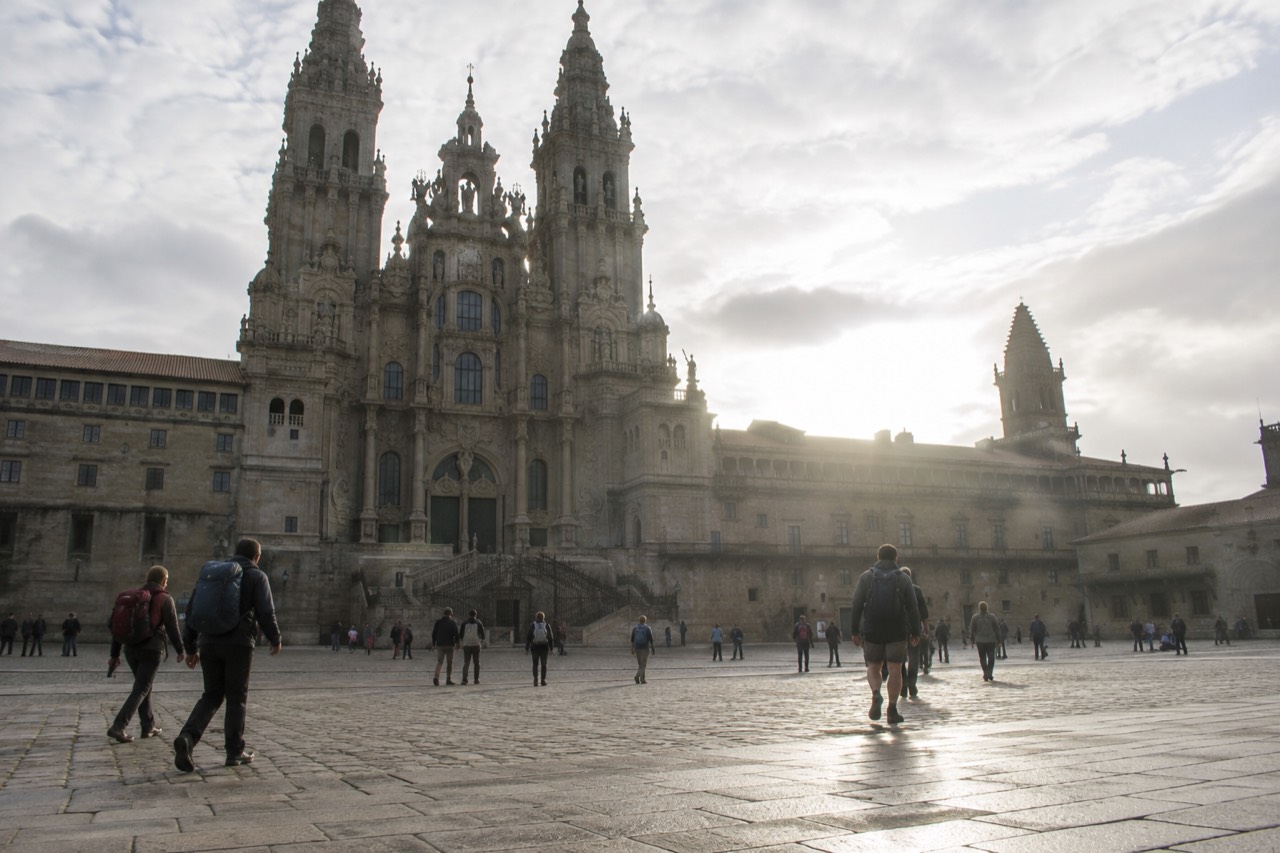
The Camino de Santiago is the one major European walking route where the default answer to "which company should I book" is "probably none of them." The Pilgrim's Office in Santiago de Compostela issued 530,987 Compostelas in 2025, a record year, and the overwhelming majority of those certificates went to people who arranged their own accommodation, carried their own packs, and followed painted yellow arrows across Galicia. A tour company is a convenience layered on top of a public, waymarked route, and its real product is not the walking but the logistics around it. This page, from the Santiago de Compostela Travel Guide editors, sets out what a good operator should guarantee, what the Compostela rules require regardless of who you book with, and which guided tours inside Santiago de Compostela itself deliver the most value at the finish line.
Which Tour Company Is The Best For Walking The Camino de Santiago?
No single company is the best for everyone, because most people who reach Santiago de Compostela walk the Camino without any operator at all: the Pilgrim's Office recorded 530,987 Compostelas in 2025, and the majority of those walkers arranged their own beds and bags. A tour company earns its fee on logistics, not on the walking itself. For a guided taste of the city at the finish, a small-group historic walk led by an official guide, from $29 per person, is the strongest value on offer.
The honest framing matters here. The Camino de Santiago is not Everest or a remote trek where an operator controls access. It is a marked public trail with a pilgrim infrastructure that has been refined for decades: albergues, stamping points, credencials, and an office at Rua das Carretas 33 that issues the Compostela in person. A company that sells you "the Camino" is selling beds, luggage transfer, and someone to call when a knee gives out. Those are real services with real value, especially in peak July and August beds, but they are the product, and judging companies means judging those services rather than any mystique about the route.
Where a company genuinely changes the experience is at the margins. Older walkers, families, and anyone with limited planning time benefit most; the question of whether age alone rules the route out is covered separately in Can A 70-Year-Old Walk The Camino?. Solo women weighing the safety question have a separate answer on this site as well. The rest of this page assumes you have already decided how much support you want and are now comparing who should provide it.
What Should A Camino Tour Company Actually Provide?
A reputable Camino operator provides three things you cannot easily arrange yourself: guaranteed nightly beds in peak season, luggage moved between stages, and a route plan matched to your dates and fitness. The Compostela rules still apply regardless of who you book with: the last 100km on foot, at least two stamps per day, collected in person at Rua das Carretas 33. Anything beyond those services, such as private rooms, support vans, or a guide walking beside you, is a premium choice, not a requirement.
The critical detail is that the certificate rules are the operator's rules too. The Oficina del Peregrino's own FAQs state the last 100km must be walked, or the last 200km cycled, with at least two stamps per day from official stamping points. If a packaged tour buses its clients over a stretch inside that final 100km, those clients can lose the Compostela they thought they were buying. A good company designs its stages so that every kilometre inside the qualifying distance is walked by the pilgrim, and it will say so plainly.
The table below is the checklist to run against any quote, in the order the editors would run it.
| What to verify | Why it matters | Where the truth sits |
|---|---|---|
| Bed guarantee, in writing, for every night | July and August fill Galician albergues; a "we usually find something" promise is not a booking | The operator's own confirmation voucher |
| Staging distances against the last 100km rule | Two stamps per day and a walked final 100km are what earn the Compostela | The Oficina del Peregrino's FAQs |
| Luggage transfer between stages, per bag, per day | This is the single service most independent walkers end up paying for anyway | The operator's inclusions list |
| Cancellation and refund terms | Camino plans change with injuries and weather more than most holidays | The operator's terms page, not the brochure |
| Guide licensing for the stages walked | Official guides in Galicia carry a regional licence | The guide's own credentials |
Two things should sit outside any contract. The pilgrim credential itself does not need to come from a company: it is covered in detail in the pilgrim passport guide, and stamping points along all the main routes issue and stamp them. And the arrival in Santiago de Compostela, the Praza do Obradoiro moment every walker pictures, is public space and needs no booking at all.
How Do Guided Tours In Santiago de Compostela Itself Compare?
Within Santiago de Compostela, the guided options this site tracks cluster into three kinds: city walking tours from $12 to $29 per person, cathedral and museum visits from $26 to $56, and food or private experiences from $17 to $75. The Historic Walking Tour in Small Group, from $29 and rated 4.9 from 16 reviews, offers the official-guide depth at the lowest headcount. The Old Town walk with an official guide is the volume pick, 4.8 from 338 reviews at $12.
A walking tour of the city is not a substitute for walking the Camino, but it is the natural first afternoon in Santiago de Compostela, and it is where a "tour company" question gets a concrete answer with real numbers. The comparison below uses the operator-listed prices and review counts from this site's own verified roster; each tour has a full page with current availability.
| Tour | From | Rating | Reviews | What it covers |
|---|---|---|---|---|
| Old Town Walk, Official Guide | $12 | 4.8 | 338 | Historic centre with a licensed guide |
| Historic Town Walk, Official Guide | $14 | 4.8 | 144 | Old town landmarks in a standard group |
| Hidden City Walking Tour | $17 | 5.0 | 13 | Quieter lanes and lesser-known corners |
| Historic Walking Tour, Small Group | $29 | 4.9 | 16 | Official guide, capped headcount |
| Cathedral and Museum, Skip Line | $26 | 4.8 | 2,425 | Cathedral interior plus museum, timed entry |
| Tapas Tour of Santiago de Compostela | $52 | 4.7 | 243 | Guided tapas route through the old town |
| Private Tours, Choose Your Option | $75 | 5.0 | 150 | Custom private itinerary |
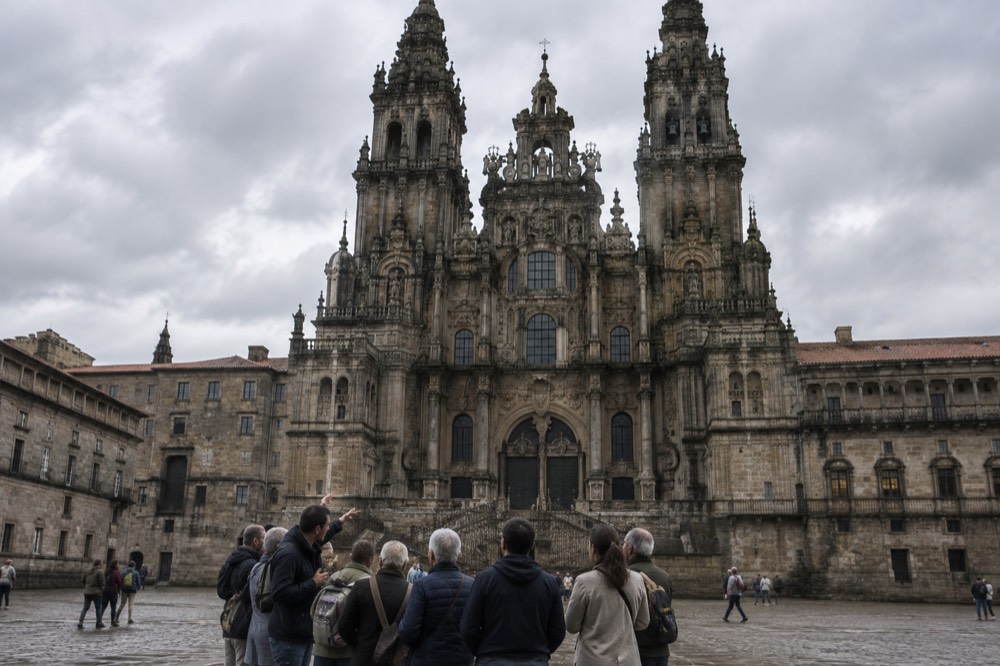
The small-group historic walk stands out for a specific reason: headcount. The decision name for it is a capped small group with an official guide, and the rating, 4.9 from 16 reviews, reflects exactly the kind of walker who has just come off the Camino and wants depth rather than a photo circuit. Check availability on the operator's live listing before locking an afternoon.
That capped headcount is also what separates it from the volume options in the table above. The cheaper walks are excellent value, but they run with whoever shows up on the day, and in July a standard group in the old town can be large enough that the guide's commentary reaches you secondhand. A small group keeps the questions flowing both ways, which is the whole point of paying for a guide in a city where every stone has a story attached to it.
Can You Walk The Camino Without A Tour Company At All?
Yes, and most walkers do: the Camino is a waymarked public route with public albergues, a pilgrim credential you can obtain before starting, and no rule anywhere that requires an operator. Independent walkers collect two stamps per day in the credencial, sleep in municipal or private albergues, and carry their own pack or pay stage-by-stage luggage services. The trade is planning time and occasional bed competition in July and August, not difficulty: the route itself is free to walk.
The planning burden is smaller than it looks from the outside. The route network, stage lengths, and start points are mapped out in the editors' Camino de Santiago routes guide; how long each option takes is broken down by route in How Long Does It Take To Walk The Camino de Santiago?. Bed types, from municipal albergues upward, are covered in the albergues and accommodation guide. Read those pages and the planning problem is largely solved.
What remains is the seasonal squeeze. The wettest months in this part of Galicia run October to March, per AEMET's station data for Santiago de Compostela, and the driest are July and August, which is exactly when the beds are tightest. Choosing a month is therefore a trade between weather and crowds, weighed in full in What Is The Best Month To Walk The Camino de Santiago?.
How Do You Check A Camino Tour Company Before Booking?
Check four things in this order: whether beds and luggage transfer are guaranteed in writing, whether the route plan matches the Compostela's distance rules, what the cancellation terms actually say, and whether the guide is licensed for the stages you walk. A company that cannot show its staging distances against the last 100km rule is selling a holiday, not a pilgrimage. Price alone tells you little, because the bed, not the guide, is the expensive part of the Camino.
A practical pressure test: ask any prospective operator for the stage distances of its standard itinerary, and check the final stretch against the qualifying distance yourself. If the answer is vague, that vagueness is the answer. The same applies to what happens in Santiago de Compostela at the end; arrival logistics and the first hours in the city are covered in arriving in Santiago on the Camino, and a good company hands over far less at the finish than most walkers expect, because the arrival itself is straightforward.
One caution on promises that involve the Cathedral specifically. Several current conditions in Santiago de Compostela are in flux, and any operator claiming to package them into a guaranteed experience is overreaching.
That last point matters for booking timing more than any other. A Holy Year tightens bed supply along the entire route network, and a company's written bed guarantee becomes worth exactly the paper it is printed on in late 2027. Book further ahead, or shift to shoulder months, and the independent option gets cheaper and easier by the week.
Common Questions About Camino Tour Companies
Do I need a tour company to get the Compostela certificate?
No. The Oficina del Peregrino's FAQs state the Compostela depends only on the distance walked, at least two stamps per day in the credencial, and collection in person at Rua das Carretas 33. No operator can obtain it for you, and no operator is required to earn it.
Can a tour company arrange for me to see the Botafumeiro?
No, and treat any such promise as false. The Botafumeiro is currently suspended, with dome restoration scaffolding covering its mechanism as of September 2026 and no return date published. Even in normal times it swung on twelve fixed liturgical dates a year or by private request arranged directly with the Cathedral, not through tour operators.
Are private Camino tours better than group ones?
Private tours buy flexibility on dates, pace, and accommodation, at a higher price. Group departures buy fixed cost and walking companions. For the city itself, the private options tracked on this site start at $75 per person with a 5.0 rating from 150 reviews, while the small-group historic walk starts at $29 with a 4.9 from 16 reviews, so the gap is pace and privacy rather than quality.
What is the cheapest way to do the Camino de Santiago?
Independently, sleeping in municipal albergues and carrying your own pack. The full cost picture, including what walkers typically spend per day, is broken down in the editors' answer on the average cost to walk the Camino.
Do tour companies provide the pilgrim passport?
Some do, as a convenience, but the credencial is widely available from pilgrim offices, stamping points, and associations along every route, and its stamps are what matter. The editors' pilgrim passport guide covers where to get one and how to stamp it correctly.
Is a guided walk in Santiago de Compostela worth it after finishing the Camino?
Many walkers say the city tour is the best-spent hour of the whole arrival day, because the old town's symbolism, from the Praza do Obradoiro to the Holy Door, is easy to walk past without explanation. The guided city options tracked here run from $12 to $29 per person for walking tours, with ratings between 4.8 and 5.0.
The short version: pick a company for its logistics, verify its stages against the certificate rules, and keep the arrival in Santiago de Compostela, and the walks you book once there, as decisions you make on your own terms.