Which Part Of Northern Spain Is Best To Visit?
Galicia, anchored on Santiago de Compostela, is the strongest answer for northern Spain, with two separate UNESCO listings, the Camino de Santiago and full-day trips to coast and canyon country.
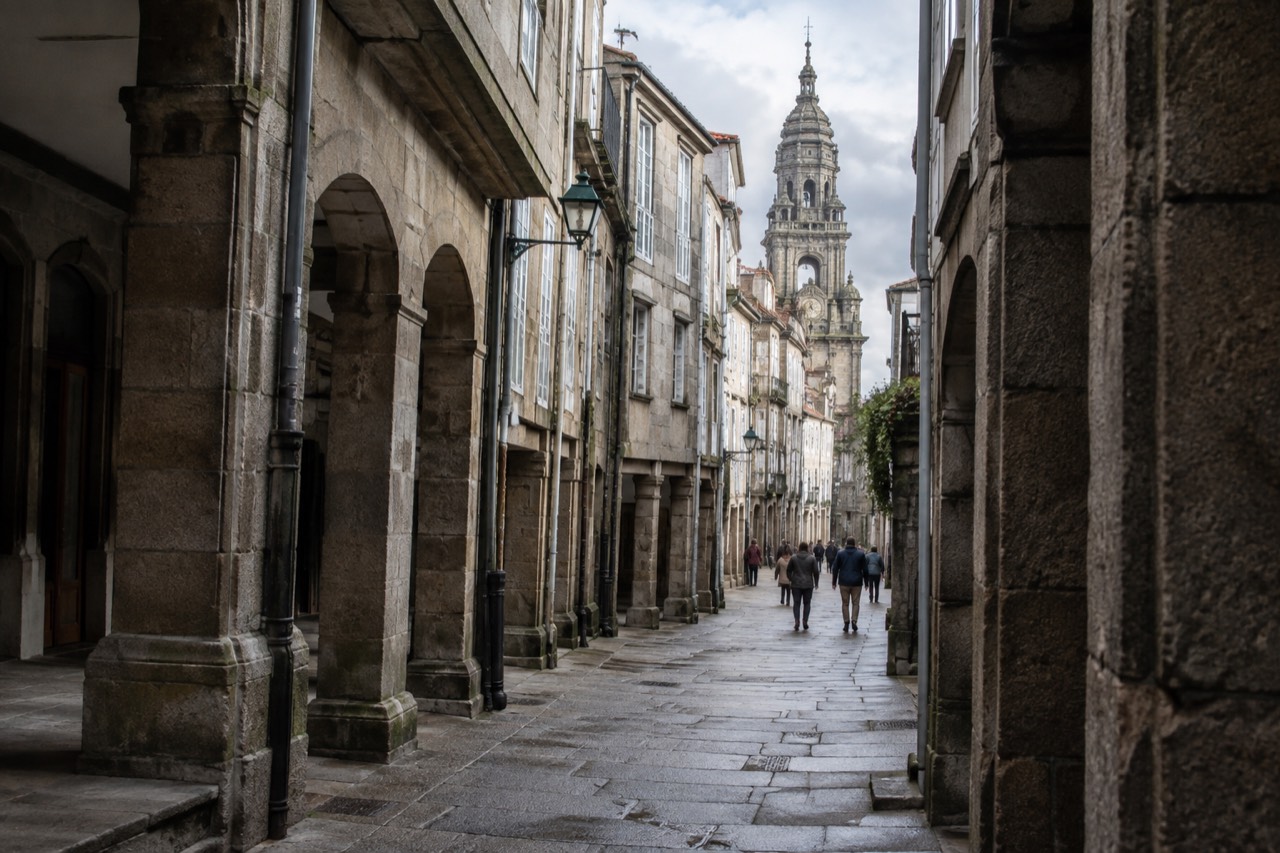
Northern Spain runs from Galicia's Atlantic corner in the west to the Basque Country in the east, and the question of which part is best usually comes down to what a traveller wants from one trip. Santiago de Compostela, the pilgrim cathedral city in Galicia where the Camino de Santiago ends, is the strongest single base in the region: it holds a UNESCO-inscribed old town, sits on direct rail links west and north, and puts four other provinces within a comfortable day trip. This page walks through why Galicia keeps winning that comparison, what you can actually reach from Santiago de Compostela without changing hotels, and when to go.
Which Part Of Northern Spain Is Best To Visit?
For most first-time visitors the best part of northern Spain is Galicia, and the best base inside it is Santiago de Compostela. The city's Old Town has been UNESCO-inscribed since 1985, a record 530,987 pilgrims collected the Compostela certificate in 2025, and the surrounding region packs the Rias Baixas estuaries, the Costa da Morte cliffs and the Sil river canyons into day-trip range. The other northern regions reward a second trip, not a first one.
That claim needs unpacking, because northern Spain is not one place. Green, wet, Celtic-influenced Galicia sits at the Atlantic corner. Asturias and Cantabria follow the Bay of Biscay coast eastward, with dramatic beaches such as As Catedrais. The Basque Country sits furthest east, closest to France. All four are genuinely worth visiting. What tips the balance toward Galicia is concentration: the cathedral, the ending of the Camino de Santiago, the wine country of the Rias Baixas and Fisterra, the classic "end of the world", all sit within a couple of hours of one regional capital.
The city also works as a logistics hub in a way the smaller northern destinations do not. Santiago de Compostela has its own airport, direct high-speed trains to Madrid in roughly three to four hours, a roughly one-hour rail link to Vigo and a short hop to A Coruna. A traveller based in the old town can see cathedral, coast and canyon country without ever repacking a bag. Whether the city itself is worth the trip has its own answer on is Santiago de Compostela worth visiting.
Why Galicia And Santiago de Compostela Anchor The North
Galicia anchors northern Spain because it holds both of the region's heavyweight draws in one province: the end of the Camino de Santiago and a UNESCO-listed old town, and they are not the same honour. Santiago de Compostela's Old Town was inscribed by UNESCO in 1985, while the Routes of Santiago de Compostela, the Camino Frances and the Northern Routes, were inscribed separately in 1993. The next Holy Year, Xacobeo, runs from 31 December 2026 through 31 December 2027, when the Holy Door opens.
Two separate UNESCO listings for one destination is rare, and it explains why the city pulls visitors who never walk a kilometre of the Camino. The Cathedral itself remains open to visitors, with free general entry. One caveat matters right now: the Botafumeiro, the giant swinging censer, is currently out of action because scaffolding for dome restoration covers its hanging mechanism. The Cathedral confirmed this in writing on 5 September 2026 and has published no return date. It normally swings on twelve fixed solemnities each year, but nobody should plan a 2026 or early 2027 trip around seeing it.
Pilgrim masses are also on the move. The 9:30am, noon and 7:30pm masses are held at the Cathedral's High Altar until 15 October 2026, but from 16 October 2026 they relocate to the nearby Church of San Agustin while main-chapel work prepares for the 2027 Holy Year. Only the 7:30am mass stays in the Cathedral's own Communion chapel. Planning around mass times? Check both arrangements against your dates.
The Camino is the engine behind all of this. The Oficina del Peregrino's rules are strict: the Compostela certificate requires the last 100km walked or on horseback, or the last 200km cycled, with at least two stamps per day, and it is issued in person only at Rua das Carretas 33. How long the walk takes depends entirely on the route, which is covered in full in how long does it take to walk the Camino de Santiago.
What Can You Reach From Santiago de Compostela In A Day?
Full-day tours and direct trains put A Coruna, Lugo, Vigo, the Rias Baixas wine country, Fisterra and the Costa da Morte, the Sil canyons of the Ribeira Sacra and the Cies Islands all within reach of Santiago de Compostela. Verified full-day tours run from about $45 to about $101 per person, and two of the strongest are a Finisterre, Muxia and Costa da Morte circuit at $60 rated 4.8 from 860 reviews and a Ribeira Sacra cruise at $68 rated 4.6 from 166 reviews.
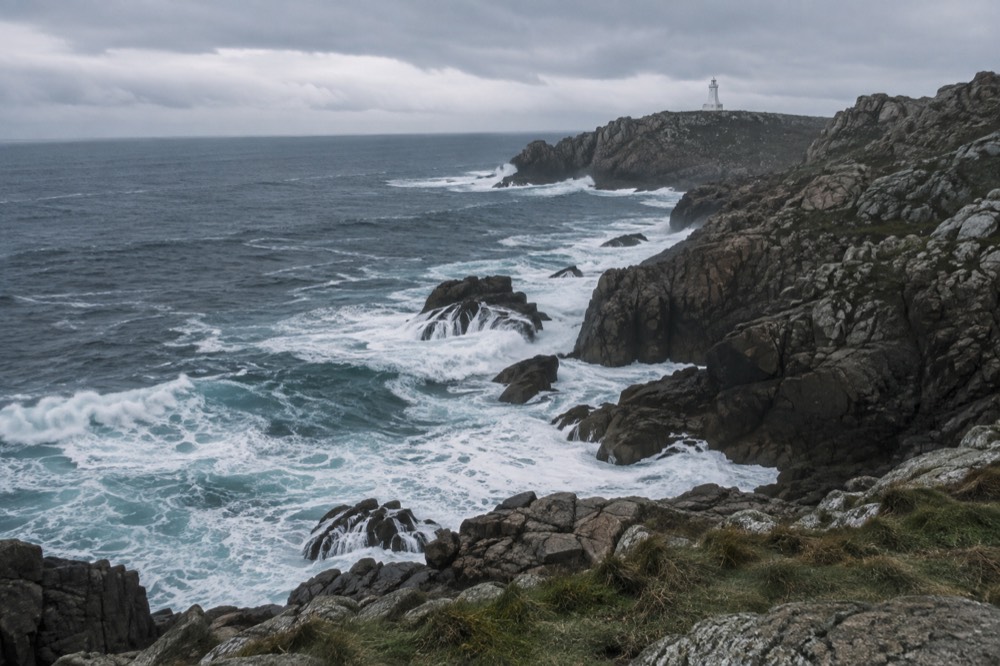
The coast is the obvious first call. Costa da Morte, the Coast of Death, is the shipwreck-lined stretch west of the city, and Fisterra is the cape the Romans called the end of the world. Muxia adds the Sanctuary of the Virgin of the Boat on a wild granite shore. These run as full-day guided tours, half-day express versions, or longer circuits that add Ezaro, Muros and Carnota. The single best day trip from the city has its own detailed comparison at what is the best day trip from Santiago de Compostela.
Inland, the Ribeira Sacra is the surprise. The Sil river has cut canyons into the interior, with monasteries clinging to the walls and boat cruises along the water. Eastward lies Lugo, the only city in the world with a complete intact Roman wall, and the Asturian beach of As Catedrais, whose arches are only walkable at low tide.
The verified tour options below give a sense of the real range and price spread. Every figure comes from the operator's live listing.
| Day trip from Santiago de Compostela | Kind | Length | From (pp) | Rating |
|---|---|---|---|---|
| Finisterre, Muxia and Costa da Morte (7 stops) | Coast, full circuit | Full day | $60 | 4.8 from 1,714 reviews |
| Finisterre and Costa da Morte complete tour | Coast | Full day | $60 | 4.8 from 860 reviews |
| Rias Baixas winery, optional mussel boat | Wine, estuaries | Full day | $54 | 4.8 from 322 reviews |
| Ribeira Sacra cruise, monasteries, Ourense | Canyons, cruise | Full day | $68 | 4.6 from 166 reviews |
| Lugo and Cathedrals Beach excursion | Roman wall, Asturias beach | Full day | $75 | 4.6 from 189 reviews |
| Catedrais Beach, Lugo and Asturias | Asturias coast | Full day | $68 | 4.9 from 181 reviews |
| Visit to the Cies Islands | Atlantic islands | Full day | $101 | No rating published |
Rail extends the same reach for independent travellers. These are ranges, not timetabled minutes, and current schedules should be checked before booking.
| Rail route from Santiago de Compostela | Typical journey | Notes |
|---|---|---|
| To Madrid | Roughly 3-4 hours | Direct high-speed services |
| To A Coruna | A short hop | Direct regional and high-speed services |
| To Vigo | Roughly 1 hour | Direct regional services |
| To Porto, Portugal | No direct line | Change via Vigo |
How Do The Other Northern Spanish Regions Compare?
Asturias, Cantabria and the Basque Country each have one standout draw: As Catedrais beach and the Picos de Europa in Asturias, the Altamira cave area in Cantabria and the food culture of the Basque Country. None of them combines a major pilgrimage endpoint, a UNESCO old town and day-trip range over coast, canyons and Roman walls the way Galicia does. The strongest rated Asturian-adjacent tour from Santiago de Compostela is the Catedrais Beach, Lugo and Asturias circuit at $68, rated 4.9 from 181 reviews.
That is not a dismissal. The Basque Country arguably beats Galicia for food and city breaks, and Asturias for mountain scenery. The honest comparison is about trip shape. Galicia suits a first northern-Spain trip built around one atmospheric base, because Santiago de Compostela does the work of a hub. A Basque or Asturian trip usually means moving between two or three towns, which costs days. The wider set of guides lives on Santiago de Compostela Travel Guide.
There is a practical middle path. Travellers with a week can start in Santiago de Compostela, take the Catedrais-Lugo-Asturias day trip for a taste of the neighbouring region, then decide whether a dedicated Asturian trip deserves its own visit. Fisterra and Muxia sit in the opposite direction, so the west coast and the east coast both open from the same hotel.
Days here add up on foot. Granite streets, tower stairs and cliff paths put a load on legs that no holiday wardrobe prepared for. The Cathedral's own rooftop tour alone involves about 140 steps at a height of about 72 metres. A recovery option that needs no itinerary slot is a single massage treatment in the city, bookable from $68 per person and rated 4.8 from 193 reviews, a practical finish to a Camino or a heavy sightseeing day.
When Is The Best Time To Visit Northern Spain?
The best window for northern Spain is July and August for the driest weather, or May, June, September and early October for thinner crowds, because the region is wet year-round and markedly wetter from October to March. AEMET's climate data for the Santiago de Compostela station shows annual precipitation on the order of 1,690 to 1,890mm. Anyone targeting the Holy Year should note it begins 31 December 2026 and runs through 31 December 2027.
The green landscape that makes Galicia famous is bought with rain. There is no bad-weather escape plan that skips the coast here, so pack layers and a rain shell in any month. The trade-off is real: the wet months deliver the mist on the Costa da Morte that gives it its name and atmosphere, while July and August bring the most reliable light for the Cies Islands and the beaches. Month-by-month Camino planning is covered in what is the best month to walk the Camino de Santiago.
The 2027 Holy Year changes the calculus for everyone, not just pilgrims. When 25 July falls on a Sunday, which it does in 2027, the Holy Door opens on the evening of 31 December 2026 and the city runs a full year of elevated events, larger crowds and higher demand through 31 December 2027. How many days to spend in the city itself is answered in detail at how many days should I spend in Santiago de Compostela.
How Many Days Should You Give Galicia?
Give Galicia at least four to five days: two for Santiago de Compostela itself, covering the Cathedral, the old town and a rooftop or museum visit, and two to three for day trips to the Costa da Morte, the Rias Baixas or the Ribeira Sacra. A week allows the one-week Galicia road trip shape, adding A Coruna, Vigo, Pontevedra and Lugo. Anything under three days means choosing one coast or one city and accepting the rest is a return trip.
The city portion is denser than most visitors expect. The Praza do Obradoiro alone faces the Cathedral, the Hostal dos Reis Catolicos parador and San Martino Pinario, three buildings that each justify a stop. A guided historic town walk with an official guide runs from $14 per person and is rated 4.8 from 144 reviews, which makes it one of the cheapest ways to unlock the squares that otherwise blur together. The pick of the verified options is below.
Beyond the city, the decision is coast or canyons. The Rias Baixas direction combines Albarino wine country at Cambados with mussel-boat trips on the Arousa estuary and the granite horreo waterfront at Combarro. The Ribeira Sacra direction trades sea for Sil-river gorges. Doing both in one trip needs the full week.
Common Questions About Visiting Northern Spain From Santiago de Compostela
Which part of northern Spain is best to visit?
Galicia is the best part of northern Spain for most visitors, with Santiago de Compostela as the base. It combines the end of the Camino de Santiago, a UNESCO-listed old town, the Costa da Morte, the Rias Baixas wine country and the Ribeira Sacra canyons, all within day-trip range of one city.
Is A Coruna worth visiting on a northern Spain trip?
Yes. A Coruna is a short rail hop from Santiago de Compostela and is covered in detail at is A Coruna worth visiting.
Can you see the Botafumeiro swing in 2026?
Not currently. The Botafumeiro is out of action because scaffolding for dome restoration covers its mechanism, confirmed in writing by the Cathedral on 5 September 2026, with no return date published. It normally swings on twelve fixed solemnities a year, but no visit should be planned around it until the Cathedral announces its return.
Do pilgrim masses still happen at the Cathedral altar?
Until 15 October 2026, the 9:30am, noon and 7:30pm masses are held at the Cathedral's High Altar. From 16 October 2026 they move to the nearby Church of San Agustin, and only the 7:30am mass stays in the Cathedral's own Communion chapel.
Is a week enough for northern Spain?
A week covers Galicia well: Santiago de Compostela, the Costa da Morte, the Rias Baixas and the Ribeira Sacra, optionally with Lugo and As Catedrais. Covering Asturias, Cantabria and the Basque Country as well needs a second trip or a much faster pace.
When is the next Holy Year in Santiago de Compostela?
2027 is the next Holy Year, not 2026. The Holy Door opens on 31 December 2026 and the Holy Year runs through 31 December 2027.
The short version for anyone booking flights: start in Galicia, sleep in Santiago de Compostela, and let the rest of the north earn its own trip later.